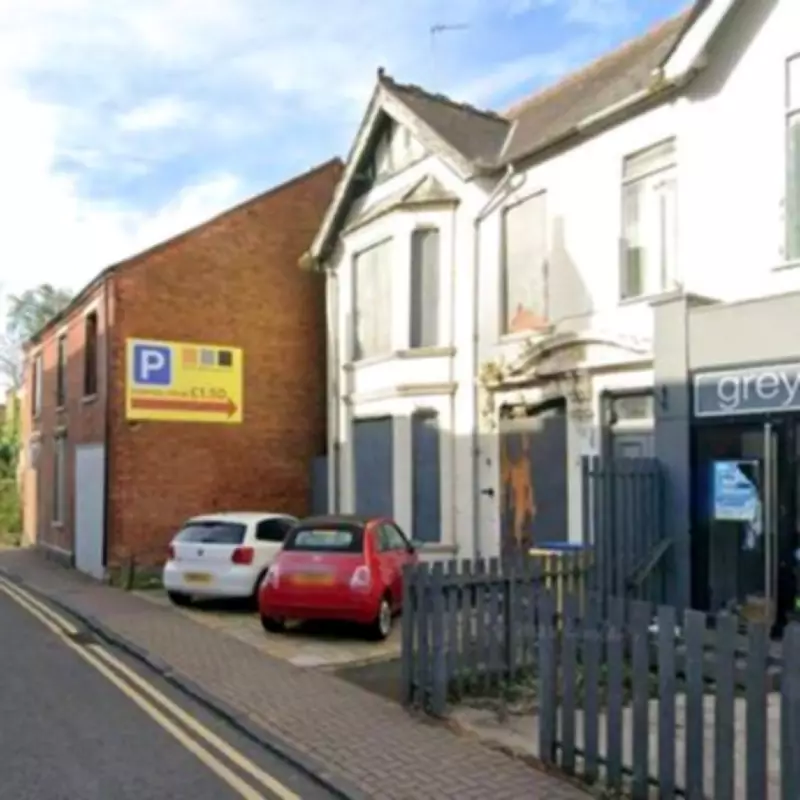
Dudley Council Launches Major Initiative to Revitalise 24 Neglected Sites
Dudley Council has officially earmarked twenty-four sites across the borough for comprehensive redevelopment as part of a determined effort to clear up unsightly and neglected land. This initiative forms the core of the authority's ongoing Stalled and Derelict Sites Programme, which sees council officers actively collaborating with private landowners to breathe new life into shabby and underused plots.
Progress Report and Programme Scope
A detailed report prepared for the council's Communities and Growth Scrutiny Committee reveals that of the twenty-four sites identified, twelve have already been fully developed or are making significant positive progress. However, the report also notes that eight sites have seen only minimal advancement, while four locations have registered no progress or have even deteriorated further.
The selection process for these sites was rigorous. Over the past three years, local ward councillors initially identified a total of sixty-eight potential brownfield sites suitable for redevelopment. This list was subsequently refined down to the current twenty-four based on specific criteria, including the size of the plot—typically up to around one acre—and where there was a clear and demonstrable potential for successful development.

Incentives and Enforcement Powers
Committee members, who will review the programme at a meeting scheduled for February 9th, will be informed of the various incentives the council employs to encourage private landowners to redevelop derelict land. These incentives include:
- Forming partnerships where private land is packaged together with council-owned land for joint development.
- The council directly investing in essential infrastructure, such as new roads and drainage systems, to make sites more viable.
Furthermore, the authority retains a suite of statutory tools to compel upgrades on persistently run-down sites. These measures range from issuing enforcement notices to, as an absolute last resort, initiating Compulsory Purchase Orders (CPOs) to take control of the land.
Benefits and Funding of the Regeneration Scheme
The redevelopment of disused land is projected to deliver a multitude of benefits to the Dudley borough. These advantages encompass:
- The provision of much-needed new housing.
- The removal of environmental blight and visual eyesores from communities.
- Generating extra revenue for the council, particularly when publicly owned land is involved in the development deals.
To fund this ambitious scheme, the council approved a £1 million budget, sourced through borrowing and grants from central government. To date, the only capital expenditure has been allocated to purchasing and demolishing buildings on a specific site located in Colley Gate.
Case Study: Stourbridge Success Story
The council's report highlights a site on Market Street in Stourbridge as a prime example of how the Stalled and Derelict Sites Programme can successfully operate. This particular plot had become severely overgrown, and its derelict buildings had become a magnet for vandalism and anti-social behaviour.
The report emphasised the site's critical location, stating: "It occupies a key gateway position, highly visible from passing traffic on the ring road. For decades, the site has blighted the local area and negatively affects perceptions of the community and visitors."
After initial negotiations with the landowner failed to yield regeneration plans, the council's programme intervened. It secured funding for further surveys and legal fees, which ultimately paved the way for a planning application. This application seeks outline permission to construct thirty-one new apartments on the site, demonstrating a tangible path from dereliction to renewal.