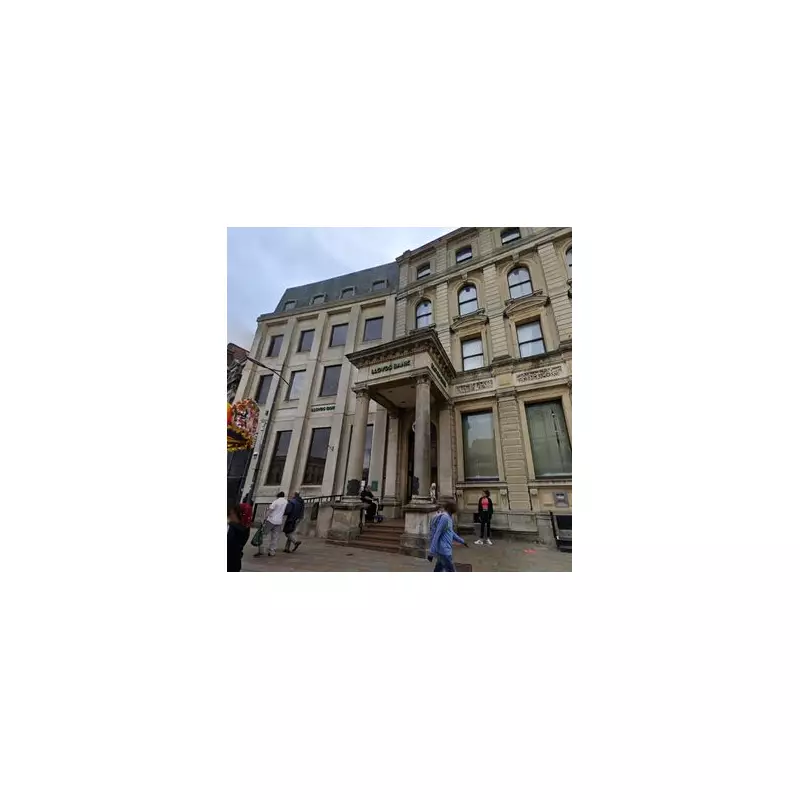
Ambitious proposals have been unveiled to breathe new life into a historic Wolverhampton landmark, with plans to transform a former Lloyds Bank building into residential flats and a vibrant new cafe. The grade II listed structure, which has stood proudly in Queen Square for nearly 150 years, could undergo a significant regeneration project that aims to preserve its architectural heritage while adapting it for modern use.
Detailed Plans for the 148-Year-Old Building
The comprehensive planning application submitted to City of Wolverhampton Council outlines a vision to convert the four-storey former bank into 20 contemporary flats. This follows Lloyds Bank's relocation from the building last year to a new branch within the nearby Mander Centre, leaving the historic premises vacant and in need of a sustainable future.
Preserving Architectural Heritage
A key aspect of the proposal involves sensitively converting the building's former bank hall into an inviting cafe space. This conversion would cleverly utilise the ground floor's distinctive 19th century 'Italianate' features inspired by Italian Renaissance design. The grand entrance, beautifully etched windows, decorative plinths and elegant pillars would all be preserved and integrated into the new cafe environment, maintaining the building's historical character.

Addressing Building History and Extensions
The building itself dates back to 1878 and has witnessed significant changes to its surroundings over the decades. Originally neighboured by the Queens Cinema built in 1914 - later converted into a ballroom in the late 1950s - the area underwent further transformation when the ballroom was demolished in 1970. The existing side and rear extension was subsequently constructed in 1980 to provide additional office space for the bank operations.
Under the current proposals, part of the modern extension's front facade would be enhanced with a 'living wall' featuring greenery and plants, adding an ecological dimension to the building's appearance while addressing some existing deterioration issues.
Regeneration Benefits and Context
The application, submitted by Gary Hartland from Wingate Associates, includes a detailed statement emphasising the regeneration benefits of the project. It highlights how converting and regenerating the building immediately after the bank's departure will prevent additional vacant floorspace within the conservation area. This proactive approach aims to preserve and regenerate the structure before any potential deterioration of the building fabric can worsen.
The statement further explains: "Refurbishment of the existing façade and localised repairs to the modern extension to address the current deterioration will be carried out as part of the works. The proposals will provide an improvement to the historic building through a sensitive approach to the listed elements. The conversion reinforces the local distinctiveness by providing a continuous use of the building and enhancing its economic viability by adopting a different use."
Broader Wolverhampton Regeneration Trend
If approved, this conversion would represent the second major transformation of a Wolverhampton city centre landmark building into residential flats within recent months. The council has recently granted approval for plans to convert the city centre's flagship Marks and Spencer store on Dudley Street into more than 70 flats, indicating a broader trend of repurposing prominent commercial buildings for residential use in the area.
This strategic approach to urban regeneration seeks to maintain architectural heritage while addressing contemporary housing needs, ensuring that Wolverhampton's historic buildings continue to contribute to the city's vitality and character for generations to come.