Residents' Persistence Pays Off in Planning Dispute Victory
After a determined effort spanning several months, residents in Balsall Common have emerged victorious in a planning appeal against Solihull Council's initial refusal of their home improvement works. The case, which centred on retrospective permission for alterations to a property on Kelsey Lane, was ultimately overturned by a government-appointed planning inspector, highlighting the complexities of local authority decisions versus national planning guidelines.
The Initial Application and Council Refusal
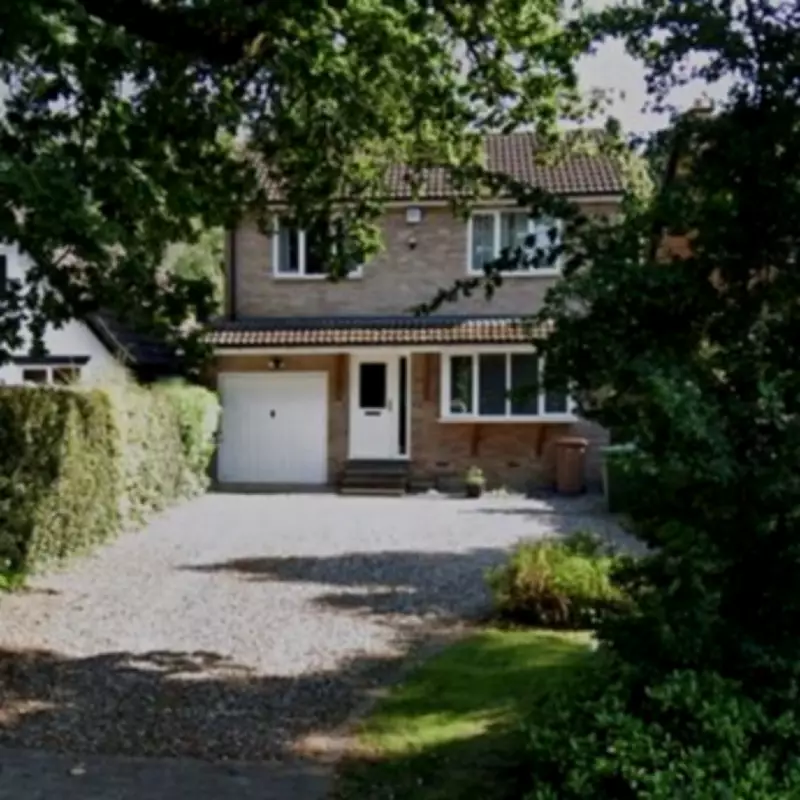
Mr and Mrs Kennedy submitted their application to Solihull Council seeking retrospective approval for already installed timber driveway gates, brick columns, and garden walls at their Balsall Common home. The work, which commenced in May 2024 and concluded the following June, was documented in application PL/2025/00909/MINFHO. During the public consultation phase, drainage experts from the council raised no objections, stating the development had no impact on drainage or flood risk.
However, in July of last year, the council refused planning permission. Officer Mark Andrews, head of planning, design, and engagement service, cited concerns in the decision notice. He argued that the proposed boundary treatment was detrimental to local visual amenity, negatively affecting the street scene, openness, and character of the area, which is dominated by open green spaces. Additionally, he noted that the gates were not set back sufficiently to allow vehicles to clear the highway during opening or closing, potentially obstructing traffic flow.

Government Inspector's Site Visit and Ruling
Following a site visit in September, a government planning officer provided a contrasting assessment. The officer found that the development acceptably harmonised with the street scene and had an acceptable effect on the area's character and appearance. Observations noted that passing vehicles did not travel at excessive speeds due to a nearby 20mph speed limit and priority chicane. The gates, which open inward, could be secured long-term by condition, and any minor hindrance to pedestrians would be momentary during operation.
The officer concluded that vehicles entering or exiting were unlikely to cause significant obstruction to pedestrians or traffic, recommending the appeal be allowed. In November, planning inspector Martin Russell, appointed by the government, made the final judgement, overturning the council's decision and granting permission for the improvements.
Implications and Broader Context
This case underscores the importance of the planning inspectorate in reviewing local authority decisions, ensuring they align with broader planning policies. It also reflects the challenges residents face when seeking approval for home enhancements, particularly in areas with strict aesthetic and safety considerations. The Kennedys' successful appeal demonstrates how persistence and a thorough review process can lead to favourable outcomes, even after initial setbacks.
The application remains accessible on Solihull Council's website for public viewing, serving as a reference for similar cases in the future. This ruling may influence how other residents in Balsall Common and beyond approach planning applications, emphasising the value of detailed site assessments and adherence to national guidelines.