A contentious proposal for a new house of multiple occupation in Smethwick, which local councillors have branded a 'battery farm' that could exacerbate existing problems with waste and vermin, might still be permitted despite initial rejection by planning authorities. The development has sparked significant concern among residents and elected officials about the potential impact on the area's living conditions.
Council Rejection and Ongoing Appeal Process
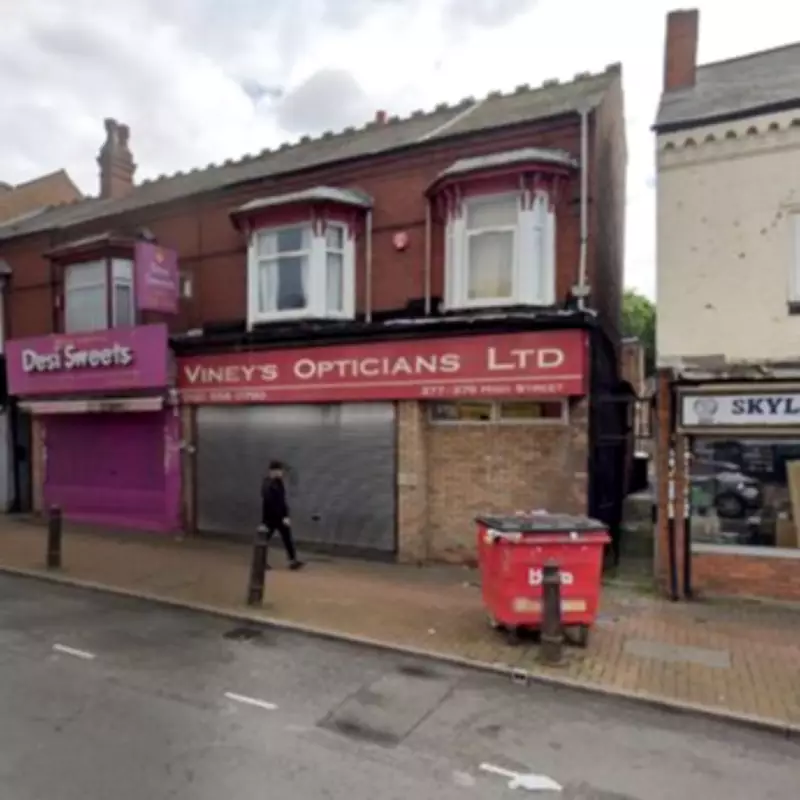
Sandwell Council's planning committee refused permission for the 11-bed HMO last year, following strong opposition from the community. The shared accommodation was planned for the space above Viney's Opticians on Smethwick High Street, with councillors warning that such developments risk turning parts of the borough into slum-like conditions.
However, this rejection may not be the final word on the matter. The decision has been appealed to the government's planning inspectors, who possess the authority to overrule the local council's verdict. This appeal process means the HMO could ultimately receive approval, despite local objections.

Resident Concerns and Environmental Issues
Local residents and councillors have voiced serious apprehensions about the proposal, citing pre-existing environmental challenges in the area. Smethwick High Street already struggles with overflowing bins, persistent fly-tipping incidents, rat infestations, and blocked drains, particularly from several takeaways along the busy route.
Neighbours on Victoria Avenue, a small residential street behind the Smethwick shops, expressed fears that the HMO would intensify these problems. They argued that the development would make 'everything 100 times worse', highlighting that a mere four-space car park for up to 22 residents would inevitably lead to parking difficulties and further congestion.
Councillor Perspectives and Broader Context
Councillor Ragih Muflihi, representing the Soho and Victoria ward, described 'massive issues with rodents' caused by littering and overflowing bins from nearby food outlets. He noted that Victoria Avenue has been plagued by fly-tipping, with these problems representing some of the most challenging cases in his workload, taking years to address effectively.
Councillor Bob Piper, from the nearby Abbey ward, expressed shock that council planners initially recommended approving the application. He criticised the influx of HMOs in the borough, many of which have been approved by government inspectors against the council's wishes, arguing they are transforming high streets into slums.
At a planning meeting last November, Councillor Piper drew a stark comparison, stating: 'We wouldn't put battery hens in places like this. There's no common space, there's nothing. The space available for storing waste is little bigger than a cupboard... it is appalling. We're turning our high streets into slums.'
He pointed to Bearwood Road as an example, where approximately sixty HMO properties approved by planning inspectors have resulted in significant waste accumulation problems. The proposed Smethwick HMO represents a scaled-down version of initial plans for a twenty-bed facility, but concerns about inadequate facilities and waste management persist among opponents.