Historic Sunderland Miners Institute to Be Revitalized as Modern Office Space
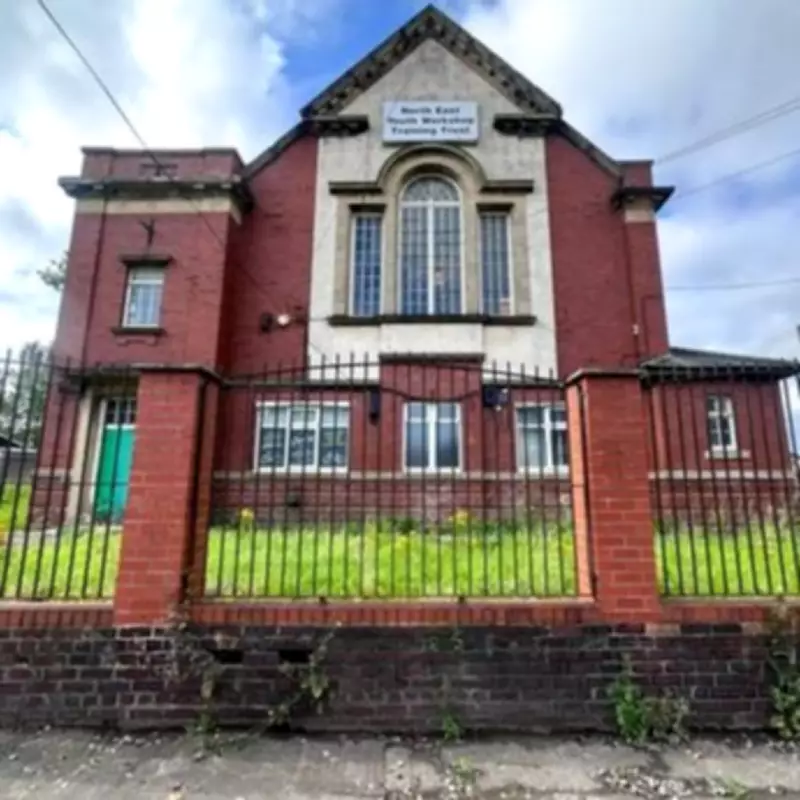
A derelict former miners' welfare institute in Sunderland is poised for a significant transformation into modern office facilities for a national driving school operator. The 100-year-old Philadelphia Miners Welfare Institute in Herrington Burn, currently in a state of disrepair, will undergo an extensive renovation project spearheaded by local architectural firm Building Design Northern.
Preserving Industrial Heritage with Contemporary Design
The vision for the newly named Enterprise House includes comprehensive remodeling of the two-storey building to create contemporary office spaces, meeting rooms, and open-plan facilities. First-floor enhancements will feature staff amenities and a mezzanine-level boardroom, while exterior improvements will incorporate bike storage, parking for nine vehicles, and landscaping works.
Hannah Thompson of Building Design Northern emphasized the project's dual focus: "The building represents a classic example of miners' welfare institutes that once served as community hubs across northern mining towns. Our designs will carefully preserve and restore the structure's rich industrial heritage while adapting it for modern business use."

Architectural Significance and Historical Context
Originally constructed in 1926, the Philadelphia Miners Welfare Institute exemplifies early 20th-century architectural design prominent in mining communities throughout northern England. These institutes typically functioned as social centers, educational facilities, and libraries, funded through contributions from miners' wages to welfare funds.
The Herrington Burn property features distinctive original elements including red brick construction, stone window surrounds, a large central focal window, and decorative stonework with an asymmetrical frontage. Although previously converted to office use years ago, the building has remained vacant and is widely regarded as a non-designated local heritage asset.
Modern Business Integration with Heritage Conservation
With planning permission secured, the renovation project will balance historical preservation with contemporary business needs. The transformation will retain significant architectural features while introducing modern amenities suitable for Pass n Go's operational requirements. This approach ensures the building's historical character remains intact while providing functional, up-to-date office environments.
The project represents a meaningful example of adaptive reuse, breathing new life into a structure that once served as a community cornerstone during Britain's industrial peak. By converting the former institute into Enterprise House, the development maintains the building's legacy while contributing to Sunderland's contemporary business landscape.