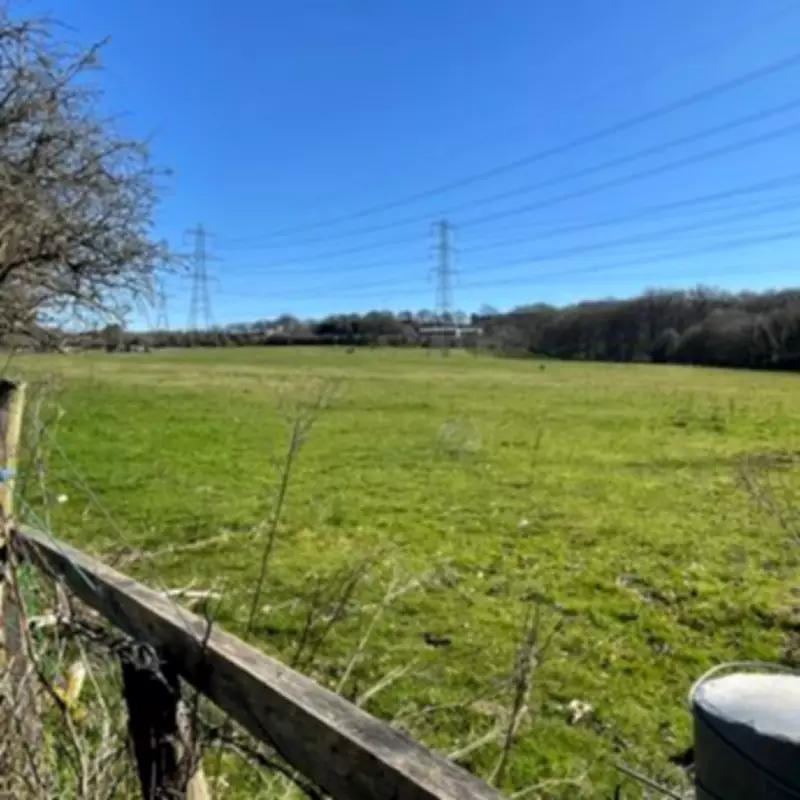
Walsall Council's Costly Fight Against Green Belt Battery Facility
The full financial impact of Walsall Council's protracted battle against a proposed battery energy storage system on protected green belt land has now been disclosed to the public. The total expenditure incurred by the local authority throughout the multi-year conflict amounts to £81,555.22, covering legal fees, associated expenses, and costs awarded to the opposing developer.
Multi-Year Planning Dispute Origins
The contentious saga began in 2021 when developer Anesco submitted an application to construct a substantial 3.2 hectare Battery Energy Storage System (BESS) on green belt land situated off Chapel Lane within the Great Barr Conservation Area. This facility, described as temporary despite its intended 40-year operational lifespan, was designed to store electricity from the national grid during off-peak periods and discharge it during times of heightened demand.
Walsall Council initially rejected the planning application, prompting Anesco to launch an appeal that culminated in a formal public inquiry held in November 2024. During these proceedings, opponents of the development repeatedly emphasized concerns about safety, with terms such as 'explosive', 'danger', and 'risk to life' featuring prominently in their arguments. Anesco countered these assertions, maintaining that the associated risks had been 'consistently overstated' throughout the debate.

Legal Challenges and Final Rulings
In January 2025, the planning inspector delivered a decisive verdict, ruling that the benefits of the proposed battery storage facility 'clearly' outweighed any potential harm and subsequently overturning the council's original refusal. Undeterred, Walsall Council escalated the matter to the High Court two months later, contending that the inspector had committed 'fundamental errors' in reaching his conclusion.
The judicial process reached its conclusion in September 2025 when the High Court dismissed the council's challenge, determining that the planning inspector's reasoning 'was adequate'. This ruling represented the final blow to the local authority's efforts to block the development on the protected green belt site.
Breakdown of Financial Costs
The detailed financial accounting reveals that Walsall Council's expenses for fighting the proposal through both the appeal process and subsequent court proceedings totaled £59,475.72. Additionally, the council was required to pay £22,082.50 in costs awarded to Anesco, combining to create the overall taxpayer burden of £81,555.22.
Council Leadership Response
Councillor Adrian Andrew, deputy leader of Walsall Council, expressed profound disappointment with the judicial outcome, stating: 'It's disgraceful that the court dismissed the case, but sadly they have the final say. I do not believe that the decision to develop a battery storage facility on Chapel Lane is the right decision for our borough.'
He further emphasized the consistent opposition from local residents, describing the development as 'an inappropriate development of greenbelt land'. Despite the council's determined efforts to challenge the decision and protect the land, Councillor Andrew acknowledged that they were ultimately unsuccessful in their campaign against the battery storage facility.
The revelation of these substantial costs highlights the significant financial implications of planning disputes involving green belt protections and renewable energy infrastructure, raising important questions about resource allocation and strategic decision-making in local governance.