Air France and Airbus have been found guilty of manslaughter following the devastating crash of Air France Flight 447 in 2009, which killed all 228 people on board. Both the airline and the aircraft manufacturer were convicted of corporate manslaughter in connection with the disaster. Flight 447 was en route from Rio de Janeiro, Brazil, to Paris when it plunged into the Atlantic Ocean.
Crash Details and Victims
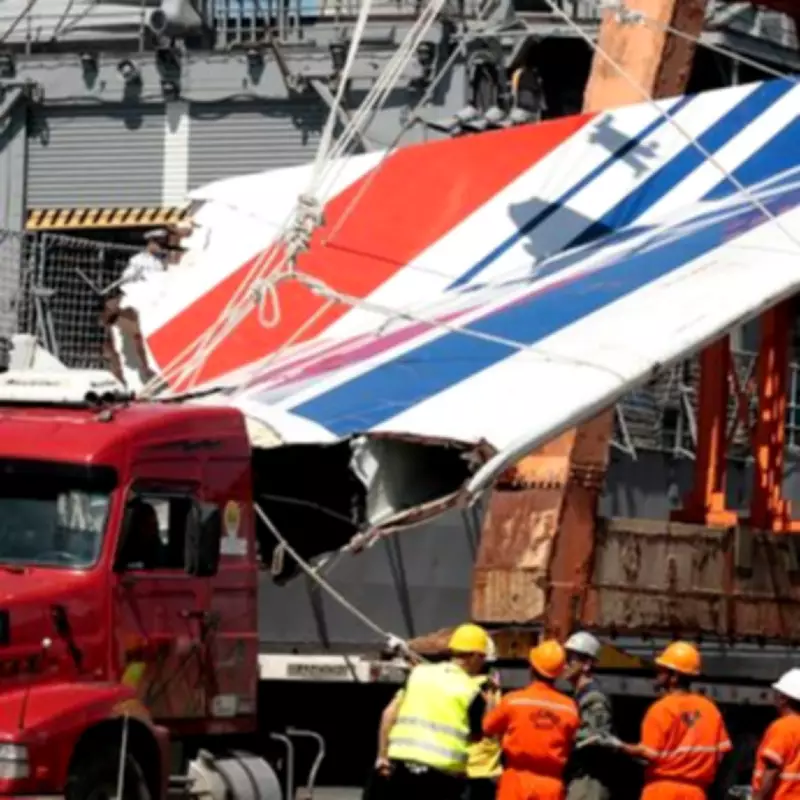
The Brazilian Navy recovered the first two bodies and fragments of wreckage within five days of the crash. It is believed the passenger jet stalled during a storm, with no survivors among those on board. Among the victims were three young Irish women: Jane Deasy from County Dublin, Eithne Walls from County Down, and Aisling Butler from County Tipperary. All three were doctors returning home after a holiday in Brazil. Relatives of some passengers, which also included French, Brazilian, and German nationals, gathered as the appeals court verdict was delivered on Wednesday.
Company Statements and Fines
Previously, Air France CEO Anne Rigail stated that the incident is "forever engraved in our memories," while Airbus CEO Guillaume Faury told judges that "any accident is a failure." Both firms have been ordered to pay the maximum fine of €225,000 ($261,720; £194,500) each. However, a number of the victims' families described the sum as little more than a token penalty.

Legal and Industry Impact
The ruling marks the latest development in a 17-year legal battle between two of France's most prominent companies. The incident has left an enduring mark on the aviation industry, triggering significant changes to regulations governing airspeed sensors and pilot training procedures. An official inquiry concluded that several contributing factors led to the disaster. Ice had rendered the aircraft's pitot tubes inoperable, cutting off crucial speed and altitude data. The autopilot disengaged, forcing the crew to take manual control, but they were working with faulty navigation information. This caused the aircraft to enter an aerodynamic stall, with its nose pitching upward before it plummeted into the ocean. It took nearly two years to locate the wreckage and flight recorder boxes on the ocean floor, at depths exceeding 13,000 feet (around 4,000 meters).