Donald Trump's Clarity: A Stark Contrast to Diplomatic Language
In the realm of modern politics, language has long been a tool of caution and precision, but recent years have seen a shift towards raw, unfiltered expression. This change is epitomized by figures like Donald Trump, whose expletive-laden remarks and blunt statements stand in sharp contrast to the polished, often sterile language of traditional diplomacy.
The Evolution of Political Speech
For decades after World War II, Western political language was built on careful calibration to avoid inflaming tensions. Phrases like 'winning the hearts and minds' and 'constructive dialogue' became standard, aiming to reassure but increasingly feeling detached and empty. Over time, this caution turned into evasion, with leaders using predictable jargon that obscured more than it clarified.
The public has grown impatient with this approach. Institutions that talk in circles while problems like terrorism, Middle East conflicts, or immigration drag on unresolved have lost credibility. People no longer trust language that seems filtered through multiple layers of approval, as seen in forums like BBC Question Time, where politicians often speak at length without saying anything substantive.

Trump's Direct Appeal
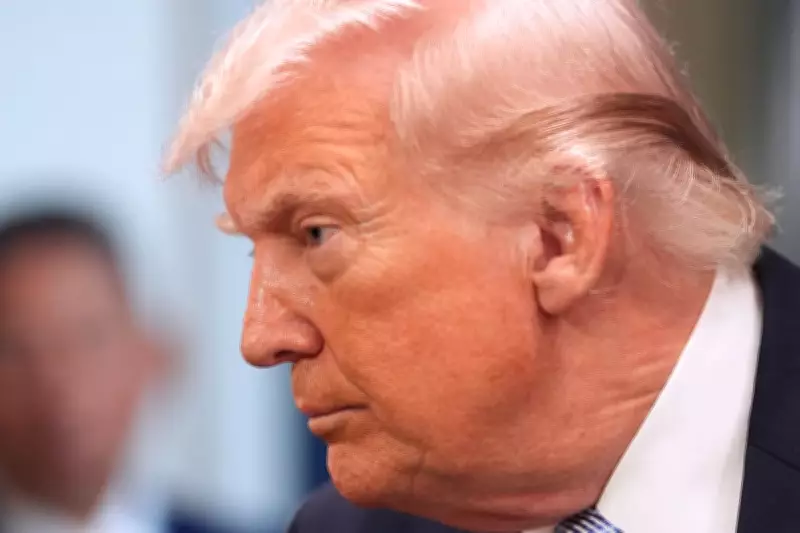
Donald Trump's rhetoric, such as his comments on the Iranian regime or his withdrawal from the Iran nuclear deal, exemplifies this shift. He avoids diplomatic jargon, instead using blunt, combative terms that critics decry as undiplomatic but many voters perceive as clarity. His refusal to hedge or use euphemisms resonates with a public tired of obfuscation, making his words feel immediate and visceral.
This directness is not merely about policies but a rejection of sounding like every other politician. In an era where political speech often feels meaningless, Trump's unfiltered expression carries a certain power, appealing to those who crave honesty and passion in leadership.
A Global Phenomenon
The trend extends beyond the United States to countries like Britain, where parties such as Reform UK reflect similar frustrations. Mainstream discourse on issues like immigration has often been technical and bureaucratic, using terms like 'net migration' or 'multiculturalism is our strength' that feel disconnected from public experience.
Reform UK, by contrast, speaks bluntly about borders and control, confronting so-called 'elephants in the room' that have been tiptoed around for years. This willingness to address uncomfortable truths directly is driving its growing traction, highlighting a broader desire for political language that feels authentic and human.
The Risks and Challenges
However, stripping away diplomacy entirely carries risks. Diplomacy exists to facilitate compromise, de-escalation, and living with difficult realities. When its language becomes so polished that it loses touch with reality, it undermines trust, but abandoning it altogether could lead to politics as pure confrontation.
The current breaking point in political discourse stems from a loss of faith in diplomatic language. People want honesty and passion, even if it's uncomfortable, rather than empty phrases. The challenge for modern politics is not to discard diplomacy but to rescue it from its own emptiness, making it sound genuine again.
If this does not happen, others will continue to fill the gap with louder, blunter speech, raising questions about the future of public life and whether such directness ultimately helps or harms societal discourse.