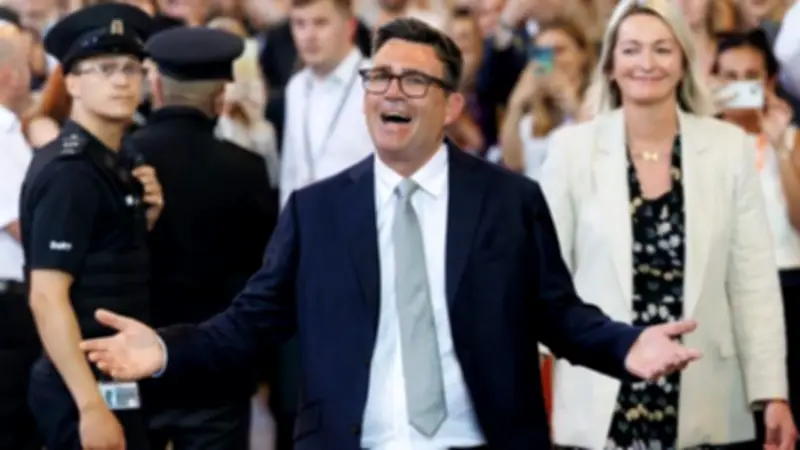
Andy Burnham is on track to become Prime Minister as the only candidate nominated to replace Sir Keir Starmer, with nominations closing on July 16. If unopposed, he could move into Number 10 as early as July 17. However, some Labour MPs have voiced concerns about installing Burnham without a leadership contest.
Potential Contenders Remain Silent
Cabinet minister Darren Jones and former armed forces minister Alistair Carns are being assessed as possible contenders by fellow MPs, but neither has officially declared a candidacy. Carns said: "I just need to see and buy into that vision and that policy [Burnham's] and then we’ll see where we go from there." Jones, the outgoing Prime Minister's chief secretary, is seen as unlikely but has not ruled himself out.
Burnham's Economic Agenda
Burnham is due to deliver a significant speech next week outlining key elements of his economic agenda, including adherence to Chancellor Rachel Reeves' fiscal rules that aim to curb borrowing and fund day-to-day spending through tax revenues by the end of the decade. Discussions are underway regarding his Cabinet, with Energy Secretary Ed Miliband and Home Secretary Shabana Mahmood mentioned as potential successors to Reeves as chancellor.

Matthew Flinders, a political expert from the University of Sheffield, suggested that Burnham's vision could give regions and cities greater control over 'daily essentials' such as housing, utilities, transport and education. "From health to housing, the role of the government cannot and should not be to keep spending more and more. But instead, to invest in tackling the root causes of key societal challenges," Flinders said, adding: "Build more social housing, invest in early interventions around physical and mental health, don't deify university education and dare to innovate."
Welfare Reform Plans
Burnham has made clear his intention to reduce the welfare bill, but through preventative measures rather than crude cuts. Speaking to The Times, he said: "I am not squeamish about saying that the plan would be to reduce the welfare bill. Not at all. It is not the traditional Westminster way of just crude cuts, short-term cuts that then create a backlash and create more political turbulence. It is actually going to do things that will reduce the benefits bill, moving towards a more preventative state that makes the right investments to support people into work."
He emphasized the need for a proactive state: "We do not have a preventative, productive, growth-enabling state. We are doing the opposite. We end up dealing with crises and spending huge amounts of money supporting people in a crisis situation rather than into much, much earlier intervention to a more positive outcome."
Procurement and Investment
Burnham also plans to reform government procurement to include apprenticeships and work placements. He stated: "To me the fact that Britain has not had a very strong intentional approach to British procurement is crazy. As Mayor of Greater Manchester, I have deliberately fought against the system to have our buses built in Falkirk and Ballymena. I see other contracts going off to China."
Overall, Burnham's approach signals a shift towards a preventative state that aims to reduce welfare spending by improving health, wellbeing, and employment prospects, rather than through austerity measures.