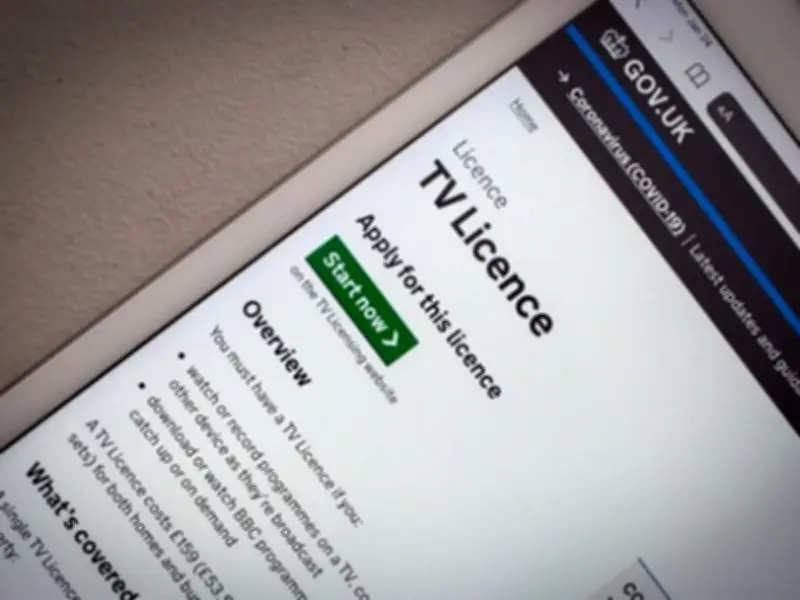
Campaigners are calling for state pensioners to receive free £180 BBC TV licences in a rule change, urging the government to reverse a 2020 decision that restricted free licences to those on Pension Credit. A petition on the Parliamentary website has gathered 50,000 signatures, demanding that all pensioners over the official retirement age get state-funded free TV licences.
Background of the 2020 Rule Change
Prior to 2020, anyone aged 75 and older could get a free TV licence. The change meant that only those in receipt of Department for Work and Pensions (DWP) Pension Credit over the age of 75 can now get a £0 licence. The petition argues that many pensioners live on the breadline with only the TV for company, and that with soaring food costs and high utility bills, there is a desperate need to provide all pensioners with this concession.
Petition Demands
The petition states: "We want the Government to fund free TV licences for existing pensioners and those who reach the official retirement age. When people reach retirement age, we think they should receive a state-financed free TV licence." It also criticises the means-testing aspect, saying it is a "double outrage" that those who have contributed to the country through taxes and raising children have to pay a TV licence fee unless they receive Pension Credit, while some media figures earn huge salaries.

Government Position on Licence Fee
Earlier this year, Culture Secretary Lisa Nandy refused to rule out extending the licence fee to streaming services like Netflix and Amazon Prime. She rejected funding the BBC through a charge on streamers or direct taxation, but declined to say whether the licence fee would apply to streaming. In response to Conservative MP Bradley Thomas, who asked if she could "rule out extending the BBC licence fee to streaming services," Ms Nandy said: "We have been very careful not to get drawn into speculation about the future funding arrangements for the BBC, except to say that, we have ruled out a levy on streamers, and we have also ruled out direct taxation going to fund the BBC, because of the need for the BBC to retain its independence."