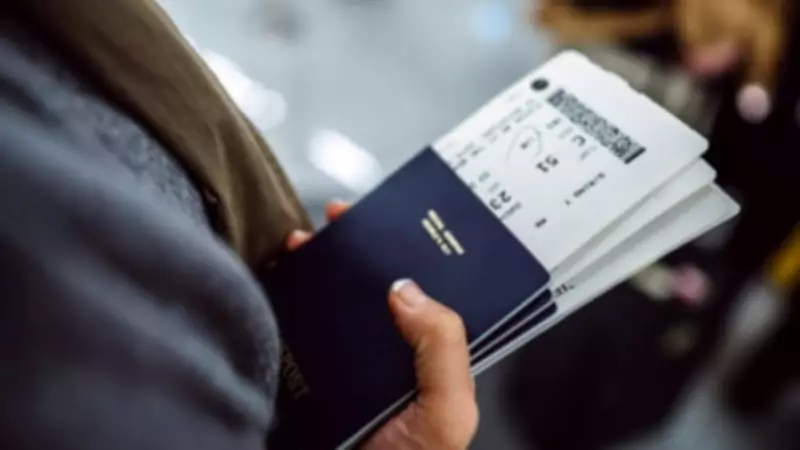
Major Changes to UK Entry Requirements for Dual Nationals
Starting February 25, 2026, significant new travel regulations will come into effect, fundamentally altering how dual British nationals can enter the United Kingdom. Under these rules, individuals holding dual citizenship, including children, could be refused entry unless they possess a valid British passport. This represents a substantial shift from previous practices where dual nationals could freely enter using their foreign passport without additional documentation or cost.
Electronic Travel Authorisation and Exemptions
From the implementation date, most visitors to the UK will be mandated to obtain an Electronic Travel Authorisation (ETA) before boarding any flight, ferry, or train bound for the country. While British and Irish citizens are exempt from this ETA requirement, dual British nationals face a stricter verification process. They must provide official documentation to confirm their British citizenship status, with the primary acceptable forms being a valid British passport or a Certificate of Entitlement.
The Certificate of Entitlement, which costs £589, is attached to a non-British passport and serves as proof of the right to abode in the UK. Previously, dual nationals could enter the UK using only their foreign passport without any charge, but this option will no longer be permitted. The ETA cannot be used as an alternative travel document for dual citizens under the new framework.

Costs, Communication, and Criticisms
A standard online adult British passport currently costs approximately £95 within the UK, with higher fees for applications made from overseas. The introduction of these changes has sparked criticism from some dual nationals, who have pointed to short notice and inadequate communication regarding the new requirements. Concerns have been raised that holidays and work trips could be severely disrupted if travelers are unable to secure a British passport or the costly Certificate of Entitlement before the rules take effect.
The Home Office has stated that public information advising dual nationals to carry the correct documentation has been available since October 2024, and a comprehensive communications campaign about the ETA introduction has been running since 2023. However, reports indicate that some expatriates have considered renouncing their British citizenship in response to these changes, particularly due to legal complications in countries that require proof of relinquishing previous nationality.
Government Rationale and Legal Implications
The Home Office spokesperson emphasized that these measures are part of a broader effort to create a seamless travel experience while strengthening border security and improving checks on those entering the country. The requirement applies to all British citizens regardless of other nationality and mirrors approaches taken by other nations such as the United States, Canada, and Australia.
Under UK law, declarations made abroad do not automatically revoke British citizenship. However, if British nationality is detected during passenger verification checks, a dual national traveling solely on a foreign passport may be refused boarding unless they can provide proof of their status through a British passport or a Certificate of Entitlement. This underscores the critical importance of compliance with the new regulations to avoid travel delays or denial of entry.