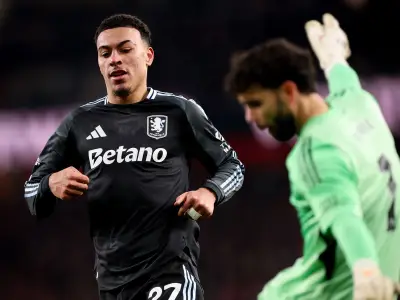
Rob Edwards Blasts Wolves Defender Ladislav Krejci for Disciplinary Lapse
Wolverhampton Wanderers manager Rob Edwards has publicly criticised defender Ladislav Krejci following his costly red card during the team's narrow 1-0 defeat to Crystal Palace. The incident occurred on Sunday at Selhurst Park, where Krejci's actions left Wolves with ten men for the final half-hour, ultimately contributing to their loss.
Krejci's Avoidable Sending-Off Proves Pivotal
In a frustrating turn of events, Krejci received a second yellow card for kicking the ball away in frustration, just moments after being booked for a bodycheck on Ismaila Sarr. Referee Tom Kirk showed no hesitation in dismissing the defender in the 61st minute, forcing Edwards to alter his tactical plan drastically. Edwards expressed his disappointment in a post-match press conference, stating that Krejci must learn from this mistake.
"He's got to learn there. At that moment he's frustrated but can't do it. He'd been booked a few moments before, so he knows," Edwards remarked. He acknowledged Krejci's overall contributions but emphasised that the red card was unacceptable and avoidable, shifting momentum in Palace's favour and leading to Evann Guessand's late winner.

Impact on Upcoming Aston Villa Derby
The suspension means Krejci will miss Wolves' next Premier League fixture, a highly anticipated local derby against Aston Villa at Molineux on Friday night. This absence gives Villa a significant advantage, as they were already favourites for the clash. Edwards highlighted how the red card disrupted Wolves' strong performance, noting that the team was pushing forward and unsettling the Palace crowd before the incident.
Without Krejci, Wolves may need to adjust their defence, potentially recalling captain Toti Gomes from injury or switching to a back four. Edwards concluded that while such mistakes can happen, they should not, urging players to remain composed in high-pressure situations to avoid giving referees easy decisions.