Wolves Defender David Moller Wolfe's Nightmare Substitution for Norway
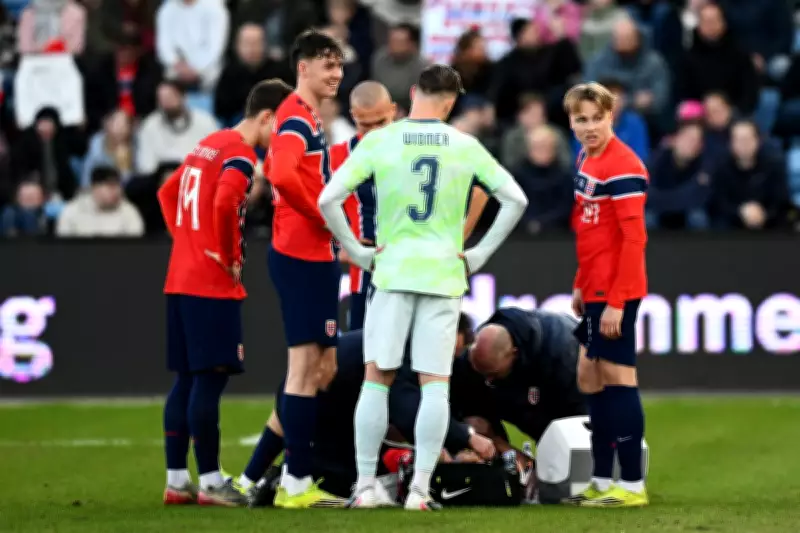
Wolverhampton Wanderers full back David Moller Wolfe experienced a distressing international appearance for Norway, being substituted just 12 minutes after entering the pitch due to a severe facial injury. The incident occurred during Norway's match against Switzerland on Tuesday night, casting a shadow over Wolfe's recent involvement with the national team.
Injury Details and Immediate Aftermath
David Moller Wolfe, who came off the bench in the 63rd minute to replace Manchester City striker Erling Haaland, was on the receiving end of an elbow strike under his eye. The impact left him bleeding profusely and in visible pain, necessitating immediate medical attention. Team-mates, including Benfica striker Andreas Schjelderup, quickly signaled to the bench for assistance, surrounding Wolfe as he went down on the field.
The injury required four stitches to stop the blood flow from the wound, highlighting the severity of the blow. Wolfe later admitted to feeling panicked during the incident, particularly after seeing his team-mates' reactions. In a post-game interview with a Norwegian newspaper, he stated, "My teammates who came over reacted, and that's when I panicked, I won't lie about that. Schjelderup came over to me and shouted 'Ola', (the team doctor) and that's when I panicked."

Context of Wolfe's International Duty
This unfortunate event followed Wolfe's start in Norway's previous match, a 2-1 defeat to the Netherlands, where he showcased his skills as a summer signing for Wolves. However, his bench role against Switzerland turned sour rapidly, leading to his replacement by former Albion defender Torbjorn Heggem after only 12 minutes of play. The quick substitution underscored the urgency of the situation and the potential impact on Wolfe's fitness moving forward.
As Wolves monitor his recovery, this incident serves as a reminder of the physical risks inherent in professional football, especially during international fixtures where players represent their countries with pride but also face heightened competitive pressures.