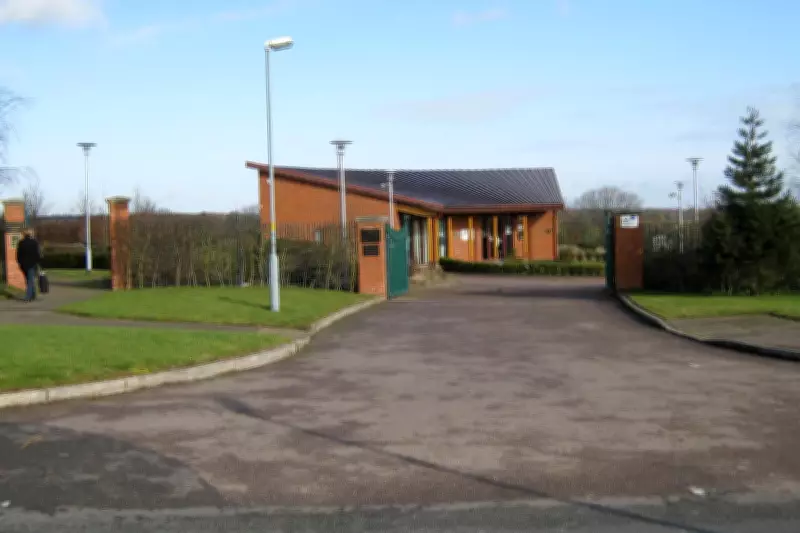
In a significant move to enhance community accessibility, Birmingham's Sutton New Hall Cemetery has announced a pioneering trial of extended visiting hours. The initiative aims to better accommodate residents who find it challenging to visit during standard daytime periods, reflecting a broader commitment to making public spaces more inclusive.
Extended Hours Trial Details
The cemetery, which currently closes at 4pm, will now remain open until 7pm as part of this new trial. This substantial extension of three additional hours is designed to provide greater flexibility for visitors, particularly those with work commitments, caregiving responsibilities, or other daytime constraints that limit their ability to pay respects to loved ones.
Council Commitment to Community Needs
Councillor Jamie Tennant, Cabinet Member for Social Justice, Community Safety and Equalities, emphasised the importance of this initiative. He stated: "We know how important it is to have the time and space to visit our loved ones, without feeling rushed or limited by early closing times. This trial of extended hours at New Hall Cemetery is an opportunity for us to listen to our residents and shape services that reflect their needs. We are committed to ensuring our cemeteries are welcoming, accessible, and respectful places for everyone in our city."

The trial period is scheduled to conclude on 31 May, during which time Birmingham City Council actively encourages feedback from visitors and local residents. This participatory approach allows the community to directly influence future service provisions, ensuring that cemetery management aligns with public expectations and requirements.
Location and Practical Information
Sutton New Hall Cemetery is situated at Lindridge Road, Sutton Coldfield, Birmingham, with the postcode B75 7HX. The extended hours trial represents a practical response to growing community demand for more flexible access to public amenities, particularly spaces of remembrance and reflection.
This initiative follows broader trends in local service improvements across the West Midlands region, where authorities are increasingly prioritising accessibility and community consultation in public space management. The trial's success could potentially influence similar adjustments at other municipal facilities throughout Birmingham and beyond.