Major Airlines Issue Airport Updates After Passengers Miss Flights Due to EES Delays
Several leading airlines, including Jet2, Ryanair, TUI, easyJet, and British Airways, have issued important updates for passengers following incidents where travelers were left behind at airports. This comes after a flight from Milan Bergamo to Manchester departed without passengers last week, highlighting disruptions caused by the new European Entry/Exit System (EES).
Incident at Milan Bergamo Airport
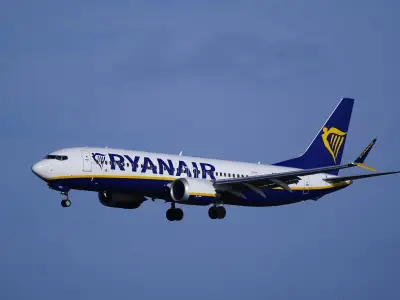
Ryanair confirmed that passengers scheduled to fly from Milan Bergamo to Manchester on April 16 were unable to board due to significant delays at passport control. The airline stated, "Due to passport control delays at Milan Bergamo Airport on 16 April, a number of passengers missed this flight from Milan to Manchester." Ryanair emphasized that passengers who had presented themselves at the boarding gate before it closed would have been able to board, but the hold-ups prevented this.
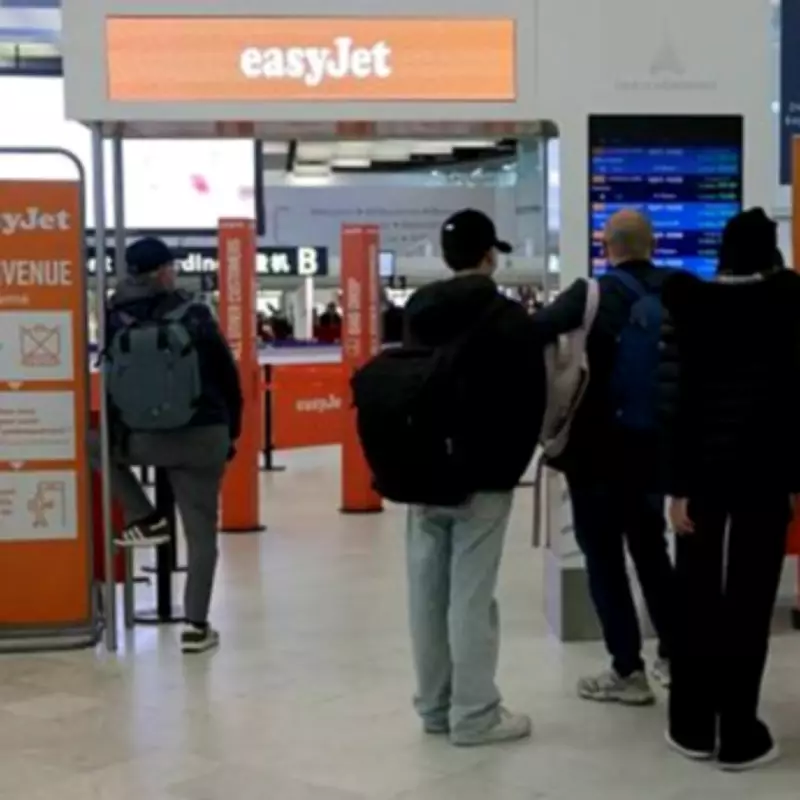
Easyjet reported similar issues at Milan airports, advising travelers to expect longer waiting times upon arrival. The airline recommended allowing extra time for onward travel connections, including trains, taxis, or flight transfers, to accommodate these delays.

Introduction of the Entry/Exit System (EES)
The delays are attributed to the implementation of the European Union's Entry/Exit System (EES), which went live on October 12, 2025. This digital border control system is part of the EU's Smart Borders Programme and replaces manual passport stamping for non-EU travelers. It requires the collection of biometric data, such as facial images and fingerprints, upon first entry into the EU.
Key points about EES include:
- It applies to 25 EU Member States and four Schengen Associated Countries.
- Children under 12 years old are exempt from fingerprinting requirements.
- Registration is free and valid for three years, after which re-registration is necessary.
- The Republic of Ireland and Cyprus are not part of the Schengen area, so EES does not apply when traveling to these countries.
Airlines' Advice for Passengers
In response to the disruptions, airlines have provided guidance to help passengers navigate the new system:
Ryanair warned that queues may be longer as airports transition to EES, affecting all passengers, not just non-EU nationals. They advised having passports ready and following EES signs at airports. Once registered, future trips should be quicker, as verification replaces re-registration.
TUI noted that the first trip under EES might take longer at border control due to biometric data collection. They added that queues could be more significant at busier airports during peak times, but this process only occurs once. TUI also mentioned that passengers with pre-booked special assistance might experience additional waiting times during EES checks.
Easyjet emphasized ensuring correct travel documents for both entry into and exit from the EU. They highlighted that EES is now operational across multiple countries and may require biometric data at border controls.
Jet2 reminded travelers that unless they have European residency or a suitable visa, they can only spend 90 days in any six-month period in the EU. They explained that EES electronically logs entry and exit dates, replacing manual passport stamps.
British Airways advised allowing extra time for EES registration on the first entry into the EU, noting that there is no cost involved. They also clarified that EES does not apply to travel to the Republic of Ireland or Cyprus.
Practical Tips for Travelers
To mitigate delays and ensure a smoother travel experience, airlines recommend:

- Carrying essential medication in hand luggage in case of delays.
- Bringing extra water to stay comfortable during longer waits.
- Factoring in additional time for border checks, especially during peak travel periods.
- Being prepared for biometric data collection on the first trip under EES.
Airport staff will continue to support passengers, but border checks are conducted by local authorities, so cooperation with EES procedures is essential. As airports adjust to the new system, travelers are urged to stay informed and plan accordingly to avoid missing flights.