Paphos Airport Returns to Normal After Drone Incident Triggers Evacuation
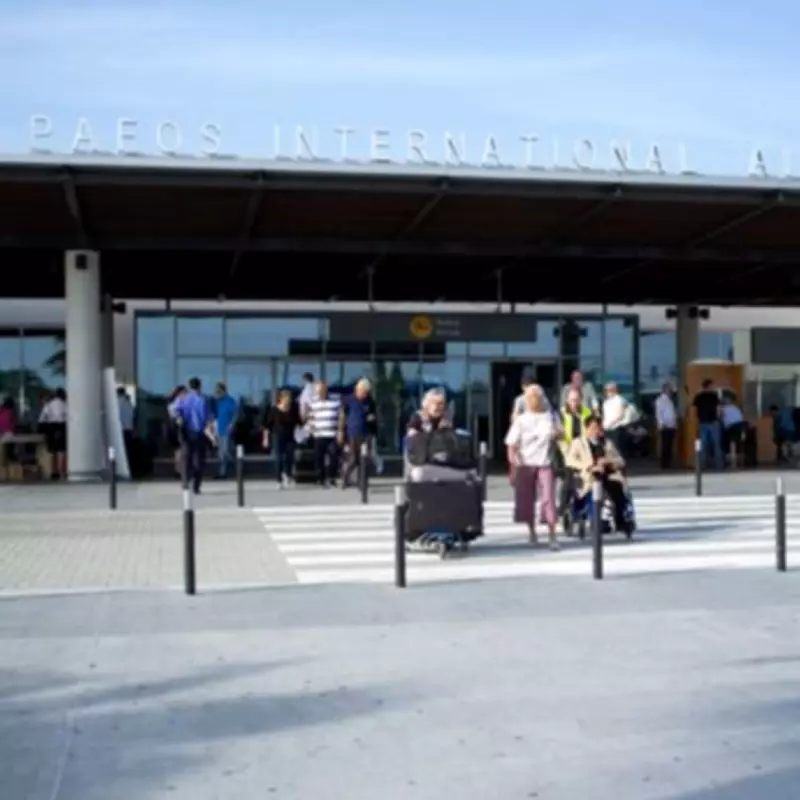
Paphos International Airport in Cyprus has resumed normal operations after a precautionary evacuation was ordered due to an unidentified drone detected in restricted airspace. The incident occurred near Britain's RAF Akrotiri base, approximately 60 kilometres from the airport, prompting immediate safety measures.
Communities Ordered into Home Confinement Amid Security Threats
Residents of three communities on the island—Timi, Acheleia, and Mandria—have been instructed to stay indoors under "home confinement" orders issued by Cyprus Civil Defense. This directive follows heightened threats from Iran and its proxies, as confirmed by authorities in Paphos, a city in south-west Cyprus.
Timi deputy mayor Giorgos Polykarpou stated that residents were advised to avoid unnecessary travel, with authorities assisting students and parents in returning home from Timi Regional Primary School, which serves multiple neighbouring areas.

Evacuation and Minimal Damage at RAF Akrotiri
Both Paphos Airport and the Akrotiri Municipal District were evacuated as a precaution after updates from the Cypriot National Guard and Interior Ministry. The evacuation was triggered by an unmanned drone strike on RAF Akrotiri overnight, though Defence Secretary John Healey reported no casualties and minimal damage to the base.
Healey described the incident as part of "dangerous and indiscriminate attacks" by Iran and its proxies. In response, families of British service personnel were relocated from Akrotiri for safety.
Intercepted Drones and Broader Regional Tensions
The Cypriot government confirmed that two additional unmanned drones heading towards the base were intercepted on Monday, escalating concerns over regional security. This comes amid reports that around 300,000 Britons are in countries targeted by Iranian retaliatory strikes, with 102,000 registering with the Foreign Office for contingency planning, including potential mass evacuations.
Political Responses and International Implications
In the House of Commons, Prime Minister Keir Starmer defended his initial decision not to allow UK bases to be used by the US in strikes against Iran, a move criticised by former US President Donald Trump. However, Starmer later granted permission for the US to use British bases to target Iran's missile launchers and stores, aiming to protect nations threatened by Tehran.
The situation underscores ongoing tensions in the region, with Cyprus implementing strict measures to safeguard its residents and infrastructure while balancing international diplomatic pressures.