Police Intervene on Hundreds of Birmingham Airport Flights Due to Disruptive Passengers
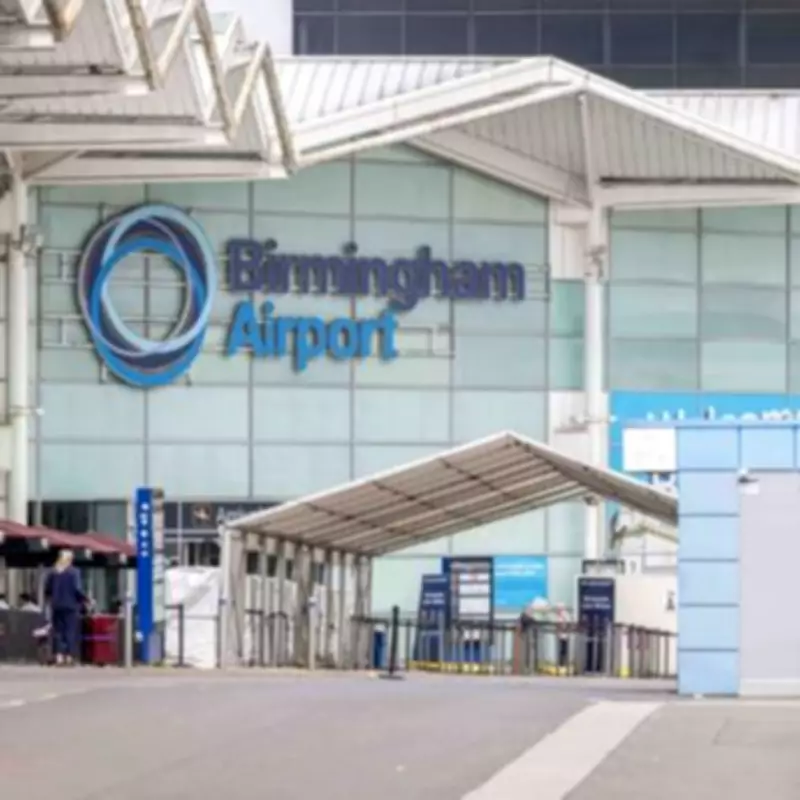
West Midlands Police have been forced to board hundreds of flights at Birmingham Airport over the past decade to deal with disruptive passengers, according to newly released data. A total of 255 passengers have caused such significant disturbances that police intervention was required since the start of 2016.
Rising Incidents and Arrests
The figures, obtained through Freedom of Information requests, reveal that 201 passengers were removed from flights, with 180 arrests made. The data covers the period from January 2016 to August 2025, showing a concerning increase in incidents post-pandemic.
In 2019, there were just 23 disruptive passenger cases, but this number peaked at 44 in 2023. By the end of summer 2025, police had already dealt with 37 incidents, nearly matching the total of 39 for the entire previous year.

Alcohol as a Major Factor
Alcohol appears to play a substantial role in these disruptions. Out of the 255 incidents since 2016, 137 (54%) were alcohol-related. This includes 18 cases in 2025, 22 in 2024, and 17 in 2023, up from 13 in 2019.
The removal rate has also escalated, with 33 passengers taken off planes in 2025, almost double the 17 removals recorded in 2019.
Flight Destinations and Patterns
The data from West Midlands Police also highlights the destinations of affected flights. Nearly half of the incidents occurred on inbound flights to Birmingham, with 123 passengers causing disruptions on arrivals at Birmingham International Airport.
For outbound flights, Dublin recorded the highest number of disruptive passengers, with 10 incidents since 2016. This is followed by Amsterdam and Bucharest, each with seven cases, then Antalya and Egypt with four each.
Other notable destinations include:
- Alicante: 3 incidents
- Barcelona: 3 incidents
- Ibiza: 3 incidents
- Krakow: 3 incidents
- Crete: 2 incidents
- Edinburgh: 2 incidents
These statistics underscore the ongoing challenges faced by authorities at Birmingham Airport in managing passenger behavior, particularly as travel volumes continue to recover and expand in the post-pandemic era.