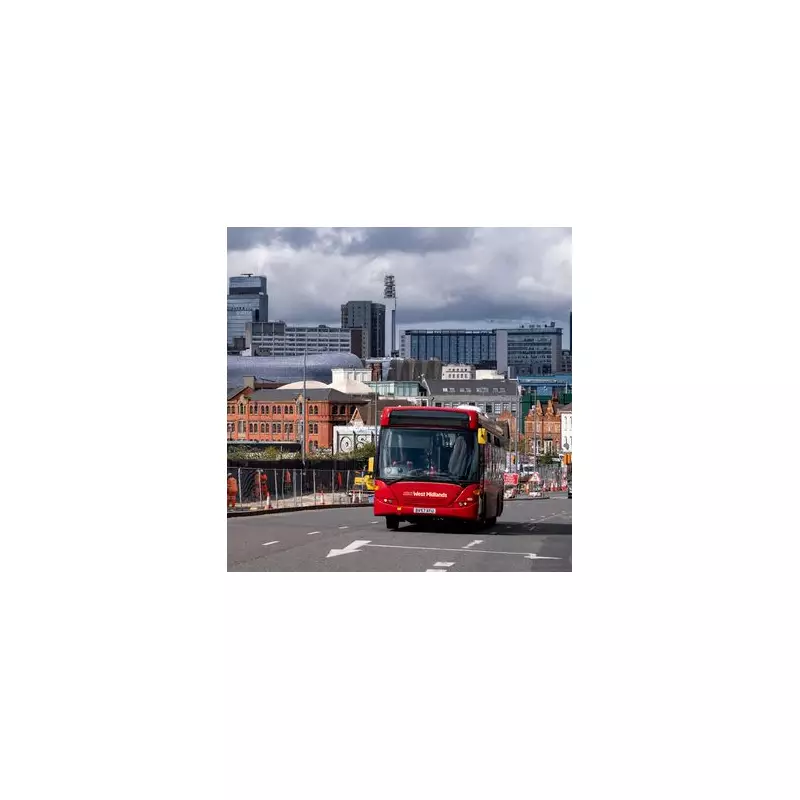
A major investment of over £264 million has been confirmed to overhaul bus services across the West Midlands, with the goal of delivering faster, cheaper, and more dependable journeys for millions of passengers.
Funding Details and Local Control
The Department for Transport has allocated £264.1 million to local authorities in the region. This substantial sum, part of a wider national £3 billion bus investment, will be distributed annually until the 2028/29 financial year.
Crucially, local leaders will have complete discretion over how to spend the money. This shift in power, enabled by the recent Bus Services Act, means decisions will be made locally rather than in Whitehall. It could lead to initiatives like the expansion of popular schemes such as Worcestershire's £2 bus fares.

Official Reactions and Economic Impact
Transport Secretary Heidi Alexander stated that the long-term funding is designed to reverse years of decline in bus services. "Our £3 billion investment will give local authorities the long-term funding they need to deliver lower fares, more frequent services, and the reliable transport that communities depend on," she said.
Minister for Roads and Buses, Simon Lightwood, emphasised the change this funding represents after "over a decade of routes being cut." He highlighted the dual benefit of easing the cost of living and boosting the local economy by improving access to jobs, appointments, and social activities.
Richard Parker, the Mayor of the West Midlands, welcomed the backing for his plans. "I'm taking back control of our buses to ensure our network remains affordable and accessible," he said, confirming the funding would help keep fares low and put passengers first.
Broader Transport Strategy
This bus funding announcement is part of a wider government strategy to make public transport more affordable nationwide. Key pillars of this plan include the extension of the £3 bus fare cap, the first freeze in rail fares for 30 years, and the establishment of Great British Railways to modernise ticketing.
The consolidation of various funding streams into this single, multi-year settlement provides local authorities with the certainty needed to make long-term improvements to bus services and infrastructure, ultimately aiming to stimulate regional economic growth.