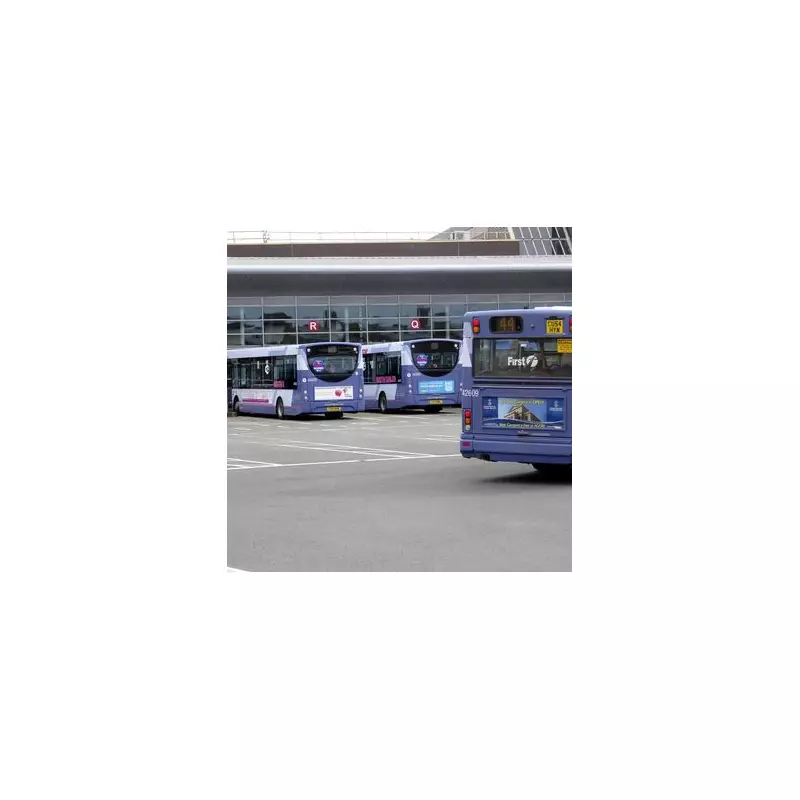
Swansea Council has signalled a readiness to take direct control of running bus services where necessary, as a major overhaul of public transport across Wales gathers pace.
A New Era for Welsh Buses
The move follows the recent passing of the Bus Services (Wales) Bill by the Senedd, which paves the way for a franchising model. This new legislation, expected to receive royal assent within weeks, aims to create a more comprehensive, joined-up, and reliable bus system to encourage greater public use. Currently, private operators decide most routes commercially, but this will change fundamentally.
Under the incoming system, Transport for Wales (TfW) will oversee bus franchises. Working with councils and regional corporate joint committees, TfW will set routes, timetables, and fares. Private bus companies will then bid to operate these contracted services.

Building the Base Network in South West Wales
The region of South West Wales, which includes Swansea, Carmarthenshire, and Neath Port Talbot, will be the first in the country to implement franchising, with a target start date of 2027. In recent weeks, councils have been finalising their "base networks" – the proposed starting point for services.
Swansea's cabinet has approved its base network, with Councillor Andrew Stevens, cabinet member for transport, calling it "a very exciting time for bus services in Swansea and the wider region" and "a step in the right direction." A cabinet report outlined ambitions to improve passenger experience through integrated ticketing, clearer information, and newer buses.
Council leader Rob Stewart went further, stating franchising was "a real game-changer" that must meet residents' needs affordably. He explicitly noted, "We should not be afraid to step in and run services ourselves where we need to," adding that council expectations include support and funding from the Welsh Government.
Consultation Feedback and Financial Concerns
A 12-week public consultation in South West Wales last summer generated 679 online responses and 18 paper submissions. In Swansea alone, seven meetings attracted 375 attendees. Key passenger priorities identified included:
- Better connections between bus and train services.
- Addressing low-frequency routes.
- Improving morning, evening, and Sunday services.
Sixty percent of respondents said they would change between buses or trains if it meant a quicker journey.
While the plans have support, questions remain about cost and implementation time. Neath Port Talbot Council officers expressed concern that franchising could be more expensive than the current model, with the council stating it "will not meet any shortfall" if that proves true. Similarly, Conservative shadow transport secretary Sam Rowlands criticised what he called "rushed" plans, arguing they were flawed, too urban-focused, and risked a rigid "one-size-fits-all" system.
Meanwhile, Carmarthenshire and Neath Port Talbot cabinets have also endorsed their base networks. The final approval for the regional plan rests with the South West Wales Corporate Joint Committee.
Welsh Transport Minister Ken Skates championed the new law, telling the Senedd it would "put people first," restore growth, and help create "one network, one timetable, one ticket across public transport." The coming years will determine how this vision translates into reality on Swansea's roads and beyond.