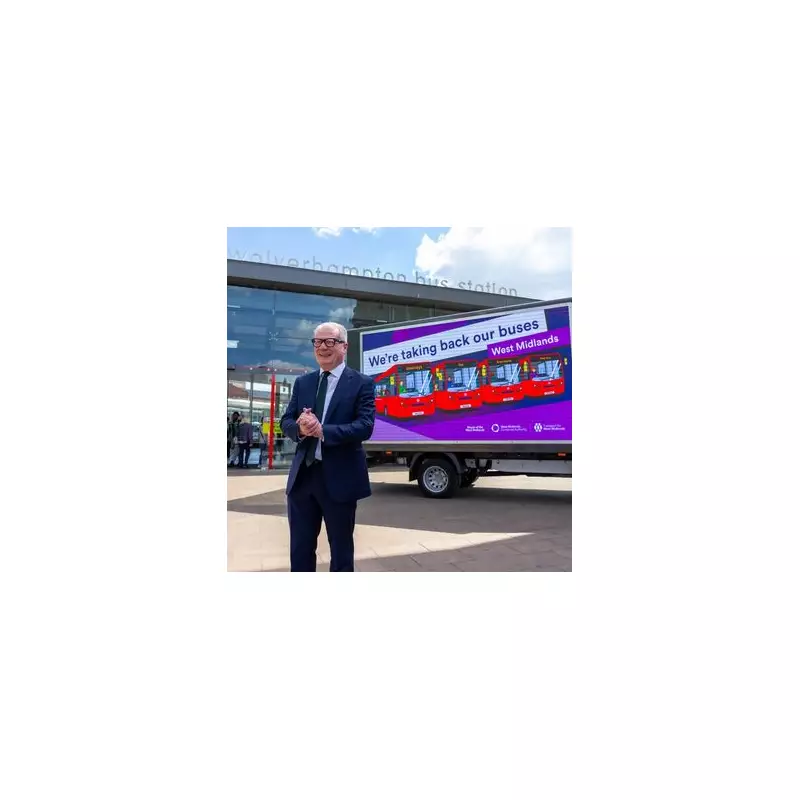
West Midlands Mayor Richard Parker has declared that franchising the region's bus network is an absolute 'necessity' in response to what he describes as failing services operated by private companies. The Mayor made these strong remarks during a detailed questioning session at a West Midlands Combined Authority (WMCA) joint overview and scrutiny committee meeting, where he outlined his vision for taking buses back into public control.
Addressing Concerns Over Public Control Plans
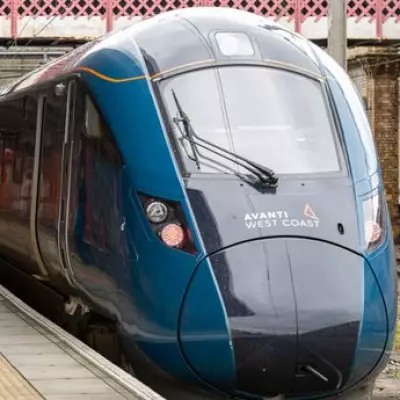
Councillor Pervez Akhtar from Coventry expressed significant 'disquiet' regarding the ambitious franchising proposals, pressing the Mayor for concrete reassurances that the process would genuinely deliver its intended benefits for communities. The councillor highlighted the parallel move to bring West Midlands Trains back under public control by the end of the month, questioning whether both initiatives could reliably improve affordability, frequency, and overall service reliability.
"There is some disquiet, even in this organisation," stated Councillor Akhtar, "and it would be helpful if you tell us it will happen within time and within budget and yes, it will make a difference to our communities and to our economy by taking these momentous steps."

Business Community Demands Action on Buses
In his response, Mayor Parker revealed that during his election campaign in 2024, he was consistently urged by the business sector to urgently address the deteriorating bus network. He shared a particularly telling anecdote from a meeting with the Chamber of Commerce in Solihull, where he expected priorities to focus on traditional economic issues, but instead received a direct plea to franchise the buses.
"I didn't imagine them to say 'franchise the buses' but that's exactly what they did," Parker recalled, emphasising how business leaders identified transport failures as a critical barrier to economic growth and employment.
The Human Cost of Transport Failures
The Mayor painted a vivid picture of how current bus service inadequacies directly impact residents' opportunities, particularly young people in northern Solihull who cannot access jobs in prosperous areas like the town centre, Birmingham Airport, or Jaguar Land Rover facilities in the south of the borough. He explained that existing bus timetables completely fail to align with employer shift patterns, creating what he called an "opportunity gap" that undermines regional prosperity.
"The failure of our bus network undermines everything I want to do in terms of increasing opportunity," Parker stated bluntly, connecting transport policy directly to social mobility and economic development goals.
Learning from Greater Manchester's Success
Pointing to positive examples elsewhere, the Mayor highlighted how bus franchising has proven "a great success in Greater Manchester" and expressed confidence that similar benefits would materialise in the West Midlands. He explained that the franchising model would grant Transport for West Midlands significantly greater control over three crucial elements:
- Fare structures and pricing
- Route planning and coverage
- Timetable development and reliability
This shift comes despite the WMCA currently providing approximately £50 million in annual subsidies to private operators—a substantial investment that has failed to prevent consistent fare increases and service reductions across the network.
Pathway to Implementation
While expressing optimism about the franchising plan's potential, Mayor Parker acknowledged the substantial work remaining before implementation. He confirmed that his team is working closely with the Department for Transport to ensure best practices are followed and that appropriate budgets are in place to deliver the transition successfully.
"We're making good progress. I'm confident with the team around me we've got the budgets in place to deliver on that," Parker assured committee members, while reiterating his fundamental position: "We are franchising the bus network out of necessity. The private sector operator has failed this region."