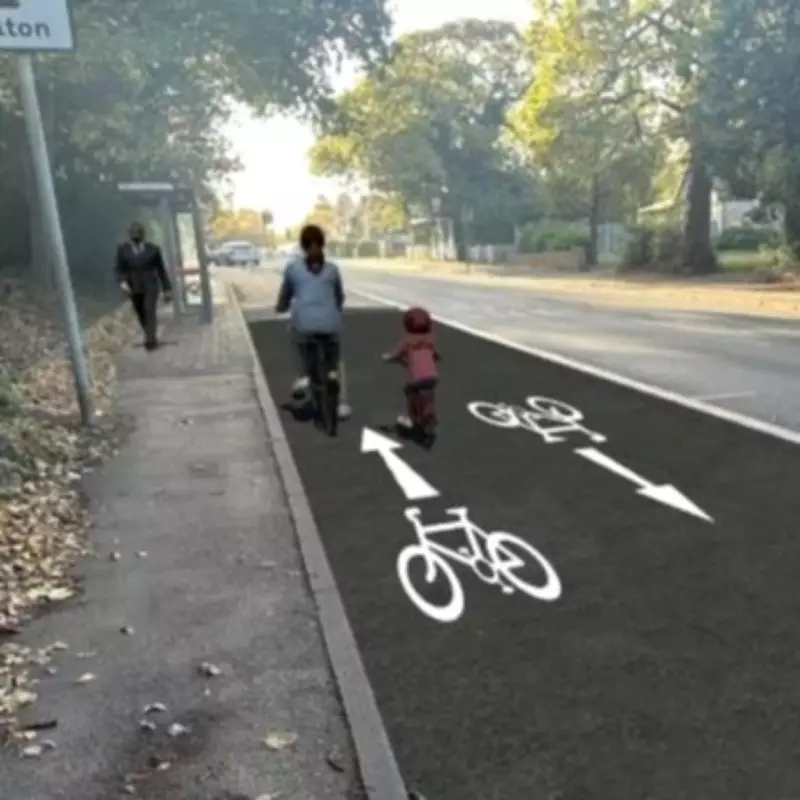
Political tensions have erupted in Solihull over a controversial cycle lane that has been branded the most unpopular scheme ever undertaken by the local authority. The Blossomfield Road cycle route, installed in 2022, has become the centre of a heated debate following what has been described as unprecedented backlash from local residents.
Controversial Infrastructure Project
The dedicated cycleway track, which runs in both directions along Blossomfield Road between Dorchester Road and Widney Lane, was initially implemented as part of active travel initiatives. Subsequent modifications included improved signage, the creation of ramps at bus stops to facilitate pedestrian and cycle movements, and the installation of wands at junctions to separate cyclists from vehicular traffic.
Despite council figures indicating a 41 per cent increase in cycling along the route since its implementation, the scheme has faced substantial criticism from residents who have raised numerous concerns about its impact on the local area.

Financial Implications and Proposed Changes
A significant funding allocation of £498,204 from government sources and the West Midlands Combined Authority has been proposed to replace the existing bolt-down orca kerbs and wands with traditional kerbing along the route. The target completion date for all agreed work has been set for before March 2027, though this timeline remains subject to ongoing discussions.
The financial aspect of the project has become particularly contentious, with Reform councillor Samanthan Gethen revealing that removing the cycle lane entirely would cost approximately £1 million. This substantial figure has added another layer to the debate about the scheme's future.
Council Chamber Confrontation
The issue came to a head during the latest full council meeting on February 3, following a consultation period that concluded on February 2. Reform group leader Councillor Michael Gough launched a direct challenge to the cabinet member responsible, stating: "The cycle lane is arguably the most unpopular scheme this council has ever undertaken."
Gough pressed further, asking whether the cabinet member intended to proceed with making the scheme permanent despite the significant resident opposition, and whether alternatives might be considered if the consultation revealed ongoing substantial objections.
Cabinet Response and Listening Mode
Conservative Councillor Ken Hawkins, the portfolio holder, responded by noting that the decision to make the route permanent had been made in October 2023. However, he adopted a more conciliatory tone, acknowledging: "I am aware of residents' concerns. Indeed Conservative colleagues have lobbied me."
Hawkins emphasised that no work would proceed until summer at the earliest and stated clearly: "It is not an easy issue but I am in listening mode." This position suggests potential flexibility despite the previous decision to make the scheme permanent.
Consultation Outcomes and Future Directions
The consultation process has revealed deep divisions within the community, with residents expressing strong views both for and against the cycle route. Councillor Gethen highlighted a significant concern, noting that while residents can provide feedback through the consultation, "there is no funded mechanism to act on any feedback they give if they want to remove it."
This revelation has raised questions about the genuine influence residents might have on the final outcome, despite the council's stated commitment to listening to community concerns.
Broader Implications for Active Travel
The Blossomfield Road controversy reflects wider challenges facing local authorities as they implement active travel infrastructure. Balancing the promotion of cycling and walking with addressing resident concerns about road layouts, traffic flow, and local character remains a complex task for councils across the country.
As Solihull Council navigates this contentious issue, the outcome will likely influence future active travel projects in the borough and potentially beyond, setting precedents for how similar conflicts between infrastructure development and community opposition might be resolved.