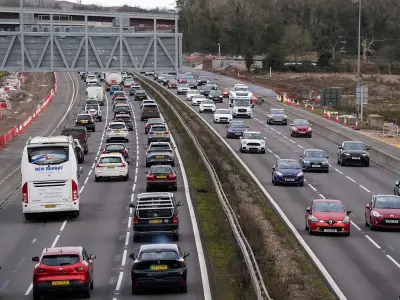
Nearly 1.4 million electric vehicle drivers in the UK could soon be paying a new charge of around 3p for every mile they drive, according to government plans set to be unveiled in the Autumn Budget.
Chancellor Rachel Reeves is preparing to deliver the crucial financial statement on Wednesday, November 26, marking the second budget for the current Labour government.
Expert Warns of EV Adoption Impact
While the final details will be confirmed on Wednesday, motoring expert Jonathan Such from vehicle finance provider First Response Finance has shared his analysis of the potential pay-per-mile scheme.

Jonathan stated: "If the government introduces a pay-per-mile charge of around 3p per mile for EV drivers, this could impact the number of Brits moving to electric vehicles as any perceived increased cost could be viewed as a barrier."
He highlighted that the economic benefits, alongside environmental advantages, have been a significant part of the appeal for new EV owners. The implementation model and how costs are communicated to potential buyers will be crucial determining factors.
How Drivers Can Prepare and Mitigate Costs
To soften the financial blow if the change is announced, Jonathan recommends that drivers take proactive steps. These include:
- Checking your energy tariff for at-home charging, as some providers offer special rates that could lead to savings.
- Visiting the government website to check eligibility for grants relating to home charging points.
Although the change is not expected to take effect immediately, being prepared is advised.
The New Reality of Trip Planning
"With the additional pay per mile, the cost for longer journeys could quickly add up," Jonathan explained. "This shifts how drivers need to think about travel."
He suggests that EV owners will need to move beyond just budgeting for electricity and start planning routes more efficiently to minimise mileage subject to the new levy. Using apps that combine journey planning with energy consumption data can help identify the most cost-effective routes by factoring in terrain, speed, and public charging point locations.
He also cautioned that the price of public charging varies significantly, noting that rapid charging units can be 150% higher than standard charging stations.
From a budgeting perspective, drivers should begin to incorporate this per-mile cost into their monthly vehicle expenditure forecasts, treating it similarly to maintenance or insurance. Modelling expected annual mileage against the estimated charge can help set aside the right amount and avoid financial surprises.
Ultimately, while EVs still promise lower fuel costs than traditional petrol or diesel cars, this new levy would make strategic trip planning and route efficiency essential cost-control measures rather than just convenient features.