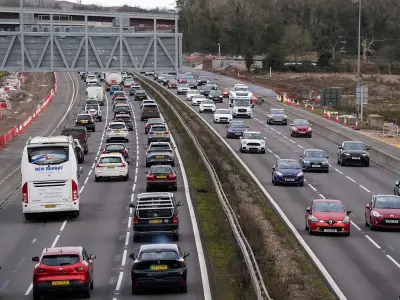
New research reveals that Labour's ambitious transport policies are meeting significant resistance from British motorists, with an overwhelming majority refusing to abandon their petrol and diesel vehicles.
The Reluctant Revolution
Despite the government's push towards sustainable transport, only nine per cent of Britons have made the switch from conventional cars to electric alternatives or cycling. This startling statistic indicates that regulatory measures alone may not be sufficient to drive the behavioural change needed to meet environmental targets.
The data, commissioned by Paul's Cycles, shows that nine out of ten motorists are actively shunning electric vehicles and bicycles. This resistance comes as the Labour Party government prepares to implement its ban on new petrol and diesel cars from 2030.

Barriers to Change
Tom Thornley, managing director of Paul's Cycles, identified several key obstacles preventing wider adoption of cycling as a car replacement. "Commute distance, weather, road confidence and access to bicycle storage" represent the primary barriers, he explained.
"In the last few months, we've had more conversations in-store with people who are new to cycling or returning after a long break, asking about the right setup for everyday use," Thornley noted, suggesting that interest exists but practical concerns dominate decision-making.
He recommended practical equipment to ease the transition, including "a simple rain shell and cheap hi-viz seat cover" to avoid wet saddles, alongside rear racks, panniers, mudguards, bright lights and quality locks.
The Electric Vehicle Dilemma
While electric vehicle sales reached record levels in September, with over 72,000 battery electric vehicles (BEVs) registered according to the Society of Motor Manufacturers and Traders (SMMT), consumer sentiment tells a different story.
A new survey from ALA Insurance suggests that many drivers remain unconvinced by the electric revolution. The data reveals that 51% of drivers are unlikely to buy an electric car, with 42% stating they are "very unlikely" to make the switch. Only 41% said they either own an EV or are very likely to consider one.
The survey identified two major deterrents:
- Upfront costs: 70% of respondents believe electric cars are less affordable than petrol or diesel vehicles
- Charging infrastructure: 68% cited high initial prices as a major barrier, while 47% expressed concern about limited charging availability, particularly outside major towns and cities
These findings highlight the significant challenges facing the government's 2030 petrol and diesel car ban, suggesting that without addressing fundamental consumer concerns, the policy may struggle to achieve its intended impact.