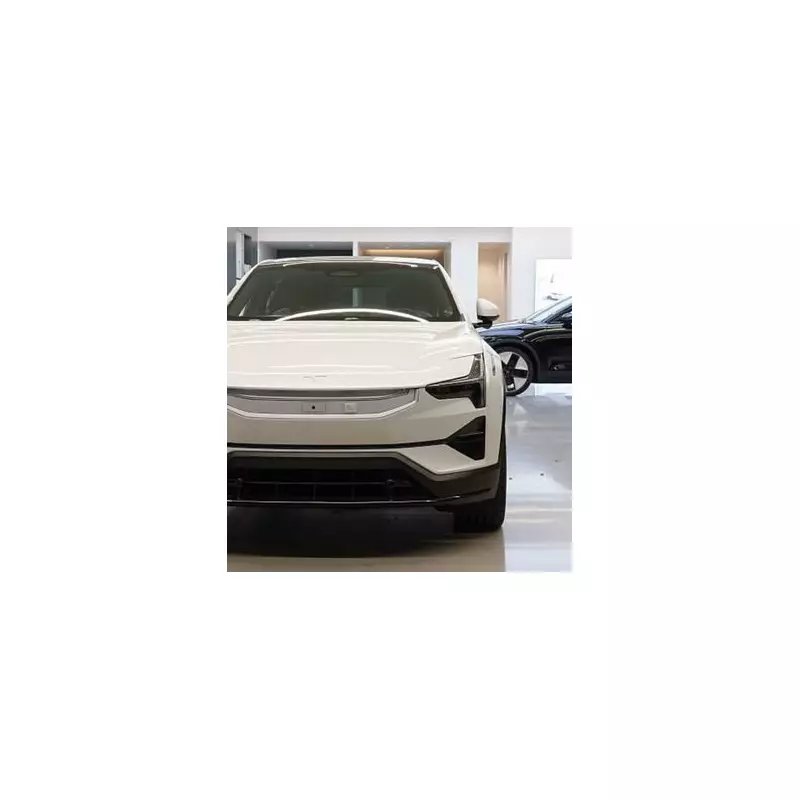
The chief executives of Swedish carmakers Volvo and Polestar have issued a forceful plea to the European Union, urging it to stand firm on its landmark law to ban the sale of new petrol and diesel cars from 2035.
Swedish Leaders Clash with German Lobby
This call comes in direct response to lobbying efforts from Germany, where Chancellor Friedrich Merz has written to European Commission President Ursula von der Leyen, seeking to soften the 2035 cutoff date. Merz argued the German government wants to protect the climate in a "technology-neutral way."
Michael Lohscheller, the German-born CEO of Polestar—Europe's only all-electric car manufacturer—was unequivocal in his criticism. "Pausing 2035 is just a bad, bad idea. I have no other words for that," he told the Guardian. He warned that "If Europe doesn't take the lead in this transformation, be rest assured, other countries will do it for us."

Volvo CEO Warns Against Slowing Down
Håkan Samuelsson, the 74-year-old chief executive of Volvo, echoed this sentiment, questioning the logic of delaying the transition. He drew a parallel with past automotive safety mandates, stating, "If they were not mandatory, we would probably have 30% of our cars without seatbelts... we probably wouldn't have any cars with catalytic converters either unless they were mandatory."
Samuelsson also addressed the competitive threat from Chinese electric vehicle manufacturers, who are establishing factories in EU nations like Hungary, Slovakia, and Romania. "I don't think it's possible to keep them out of the EU with tariffs. You just need to meet them face on and compete with them," he asserted.
Political and Legislative Fallout
The German position has drawn sharp criticism within the European Parliament. Michael Bloss, the Green Party's rapporteur, claimed Merz's demands "would completely gut" the hard-fought legislation and "effectively give the combustion engine a free pass."
When questioned on Friday about whether the German stance would alter the Commission's direction, chief spokesperson Paula Pinho stated, "We're talking of a very, very important proposal that has big implications around Europe." She confirmed a consultation on the issue closed on 10 October and added, "We will carefully study everything that comes our way, including the position of the German government today."
The clash highlights a deepening rift within Europe's automotive industry, pitting manufacturers who have heavily invested in an electric future against those seeking more flexibility for internal combustion engine technology.