Major Boost for Driveway-Free Electric Car Owners This Summer
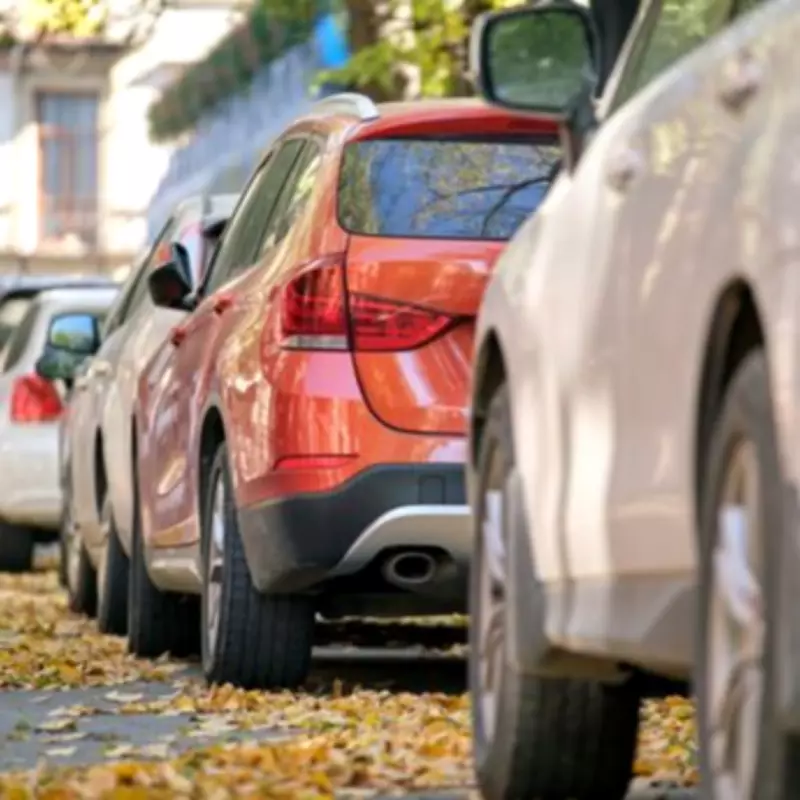
Millions of motorists without driveways are set to receive a significant boost this summer, as new rules will make it far easier and more affordable to run an electric vehicle from home. Sweeping legislative changes due within months will remove a major barrier for those lacking off-street parking.
Pavement Charging Gullies to Become Permitted Development
Households will no longer require planning permission to install pavement charging "gullies" – narrow channels that allow cables to be safely routed beneath pavements rather than trailing across them. Currently, this practice is outlawed due to trip hazards, but ministers have confirmed legislation will be pushed through this summer to make these installations a form of permitted development.
Officials indicate that by the end of the year, motorists could fit a gully outside their home without seeking council approval. This change specifically targets one of the biggest obstacles to electric car ownership for the millions of UK residents without driveways in towns and cities nationwide.

Substantial Cost Savings for Home Charging
Charging at home offers dramatically lower costs compared to relying on public infrastructure. Data from Zapmap reveals the average cost of using a public charger is approximately 72p per kWh, while specialist home tariffs can be as low as 8p per kWh.
This substantial price difference means drivers who can plug in at home can save hundreds of pounds annually compared to those forced to use public networks. Under the new system, motorists will be able to run a charging cable through the installed pavement channel, eliminating the need to drape wires across walkways.
Installation Costs and Wider Context
However, the cost of installation could present a sticking point. While some councils are already funding the gullies, in many areas households will be expected to cover the bill themselves – typically around £1,000. Even so, this upfront expense can be quickly recouped through cheaper electricity costs compared to petrol, diesel, or public charging.
The move comes amid a surge in demand for electric vehicles, driven partly by persistently high fuel prices. Energy supplier Octopus Energy reported EV sales jumped by a fifth in the first three weeks of March compared to the previous month.
European EV Market Growth and Price Parity
Across Europe, demand is rising even faster. Figures from transport research group NewAutomotive show electric car sales in the EU surged by 51 percent last month compared with March 2025, with EVs making up more than a fifth of all new registrations.
In Britain, electric cars have also reached a key tipping point on price. According to Autotrader, the average new EV now costs £42,620 – slightly less than the £43,405 average for a petrol model.
Government Energy Price Reforms
The government is simultaneously attempting to tackle the high cost of electricity, which has long undermined the financial case for switching to electric vehicles. Ministers have outlined plans to break the link between electricity prices and wholesale gas costs – which currently set prices approximately 60 percent of the time.
Energy Secretary Ed Miliband has pointed to countries like Spain, where greater reliance on renewables has helped shield consumers from recent price spikes, as a model for the UK. Environmental campaigners have supported this push.
Angharad Hopkinson, political campaigner at Greenpeace UK, stated: "Britain is sick and tired of an energy system where pump prices and bills go up and down based on external factors. The government is absolutely right to be looking at every possible solution."
For drivers without driveways, this rule change could mark a turning point – finally making home charging a realistic option and narrowing the cost gap between electric and conventional motoring.