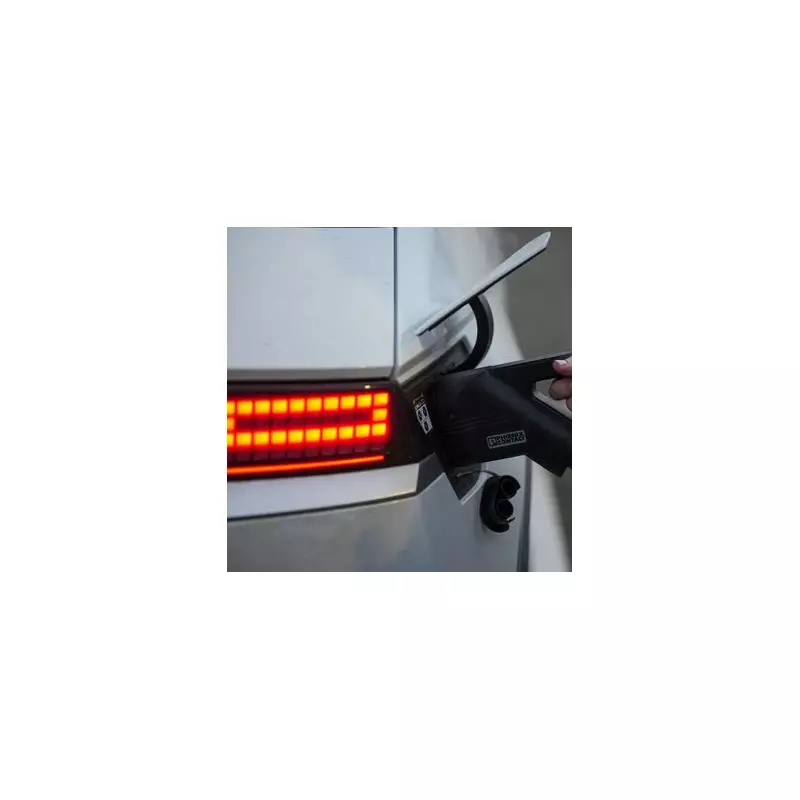
In a landmark moment for the automotive industry, electric car sales have overtaken petrol vehicle registrations for the first time across Europe. This significant shift highlights the accelerating transition towards sustainable transport solutions on the continent.
Historic Sales Figures Reveal Market Transformation
According to the latest data from the European Automobile Manufacturers Association (ACEA), December witnessed 217,898 new battery electric vehicles sold within the European Union. During the same period, petrol car registrations reached 216,492 units. This narrow margin represents a crucial turning point in consumer preferences and market dynamics.
The statistics translate to electric vehicles achieving a 22.6 per cent market share, while petrol cars captured 22.5 per cent. This development occurs against a backdrop of evolving regulatory frameworks and changing environmental priorities across European nations.

Regulatory Context and Industry Response
The European Commission recently confirmed it would abandon its previous goal of banning new petrol and diesel car sales by 2035. Instead, manufacturers will need to comply with a 90 per cent tailpipe emissions reduction target from that year onward. EU President Ursula von der Leyen has described these revised rules as "innovative" and supportive of technological advancement.
Industry experts have expressed mixed reactions to these policy adjustments. Ginny Buckley, chief executive of Electrifying.com, commented: "Brexit provides the United Kingdom with the freedom to pursue a different path from the European Union, particularly where EU policy might risk slowing progress. However, the UK Government must present a stronger and more consistent argument for why drivers should transition to electric vehicles and how achieving net zero can stimulate job creation, investment, and economic growth."
Competitiveness Concerns and Future Outlook
Chris Heron, Secretary General of E-Mobility Europe, voiced concerns about the timing of these regulatory changes. He stated: "While China accelerates its electric vehicle adoption, Europe appears hesitant, and hesitation does not constitute a viable strategy. Altering regulations midway through implementation undermines business confidence after companies have already committed substantial capital and constructed manufacturing facilities based on a 100 per cent transition trajectory."
Heron added: "Once the initial uncertainty subsides, we remain confident that the fundamental principles of the 2035 framework will continue to influence the market more significantly than today's exemptions. By 2035, electric vehicle demand will be driven by their superior cost-effectiveness, efficiency, and technological maturity. Europe's long-term competitiveness will be most secure when its policies consistently reinforce this trajectory."
This historic sales crossover represents more than just numerical superiority; it signals a profound transformation in European transportation habits, environmental consciousness, and industrial strategy. As infrastructure continues to develop and technology advances, the momentum behind electric mobility appears increasingly irreversible.