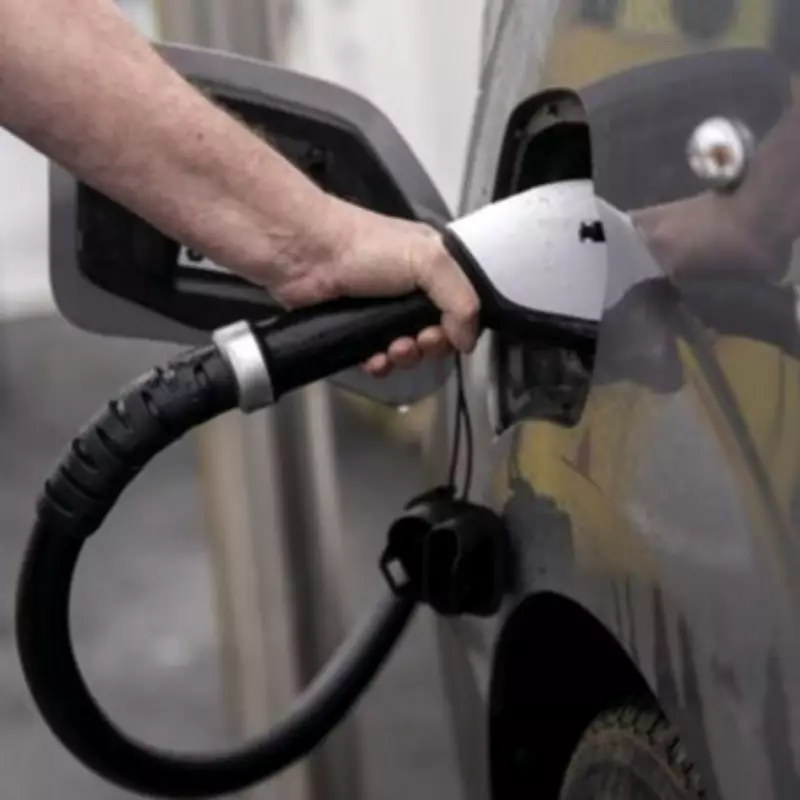
In a significant policy reversal, the European Union has officially abandoned its ambitious deadline to ban the sale of new petrol and diesel vehicles by 2035. This major U-turn is now expected to trigger a dramatic decline in electric vehicle sales across the continent, according to fresh analysis from leading environmental groups.
From Ban to Phased Approach: A New Emissions Target
Instead of the outright prohibition, the EU will implement a more gradual, phased strategy designed to offer greater flexibility to automotive manufacturers. The new regulatory framework mandates that carmakers must achieve a substantial 90 per cent reduction in tailpipe emissions from their new vehicle fleets starting in 2035.
The remaining 10 per cent of emissions will be permitted but must originate from alternative sources, specifically low-carbon steel production and synthetic e-fuels. This compromise marks a stark departure from the previous goal of a complete transition to zero-emission battery electric vehicles.

Projected Market Impact: A Steep Decline in EV Adoption
Data compiled by the prominent campaign group Transport & Environment paints a concerning picture of the potential consequences. Their modelling suggests that the share of pure battery electric vehicles (BEVs) on European roads could fall significantly, from a projected 100 per cent under the original ban to just 85 per cent by the 2035 target date.
More alarmingly, the analysis indicates that annual sales of electric vehicles could plummet by between 50 and 95 per cent as a direct result of this policy shift. The group has issued a stern warning about the environmental risks associated with the new plan.
"Allowing advanced biofuels in new cars would increase the EU's reliance on unsustainable and imported biomass, which is prone to fraudulent practices," Transport & Environment stated. "Combined with weak sustainability safeguards, this would lead to deforestation, biodiversity loss, soil degradation, and indirect emissions, including from unsustainable forestry inputs such as stemwood."
UK Context: The Push for Battery Health Transparency
Meanwhile, in the United Kingdom, motoring experts and industry leaders are urging the Labour government to introduce a critical measure to bolster consumer confidence in the second-hand electric vehicle market: mandatory "battery health certificates."
Recent surveys reveal that nearly one in five motorists would be more inclined to purchase a used electric car if it came with a verified, standardised report on the condition of its battery. This call for transparency comes amid widespread consumer uncertainty, with a mere two per cent of drivers of petrol, diesel, and hybrid vehicles believing that electric car batteries typically outlast traditional combustion engines.
Industry Leaders Advocate for Standardised Checks
Ginny Buckley, chief executive of Electrifying.com, highlighted that a "lack of understanding" about battery longevity and performance is a primary barrier stifling demand in the used EV sector.
"A clear, standardised measure of battery health, independently checked and updated at MOT stage once a car is over three-years-old, would take much of the fear out of buying a used EV - and unlock the used market faster than short-term incentives," she explained.
Buckley further argued that "practical measures like requiring standardised independent battery health checks, better consumer education and access to low-cost finance would do far more to unlock demand than continuing to prioritise new electric vehicle sales."
This sentiment is echoed by other key figures. Edmund King, President of the AA, remarked, "A big uptick in the sales of used EVs would be a game changer. Drivers need convincing on battery longevity before buying used EVs."
Mark Smith, head of fleet and used cars at Tesla UK and Ireland, noted that Tesla already incorporates battery health tools, stating, "All our vehicles have a built-in tool for checking the health of the battery. We hope other manufacturers adopt this thinking to benefit the transition to sustainable energy."

The convergence of the EU's regulatory retreat and the pressing need for consumer assurance in the UK underscores the complex challenges facing the electric vehicle transition, where policy certainty and market confidence are now under intense scrutiny.