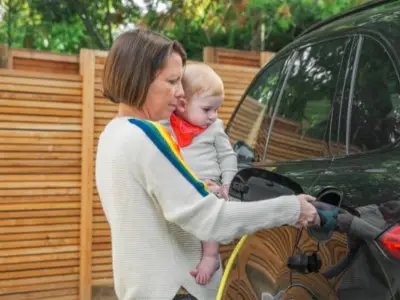
A significant new report has delivered sobering news for advocates of electric vehicle adoption, revealing that petrol and diesel cars remain the overwhelming first choice for the majority of UK drivers. The findings present a clear challenge to the government's 2035 zero emission vehicle target and highlight persistent consumer concerns.
Consumer Sentiment on Electric Vehicles
The comprehensive study found that only 11 per cent of drivers would select a fully electric car for their next vehicle purchase. While 19 per cent of new-car buyers are considering making the switch to fully electric, this figure plummets to a mere five per cent for those in the used car market. This stark disparity underscores a critical issue for the long-term sustainability of the EV transition.
Hybrid Options Gain Traction
In contrast to the lukewarm reception for fully electric models, hybrid vehicles appear to be gaining more substantial interest. The report indicates that 27 per cent of respondents would choose a hybrid car, with an additional 11 per cent opting for a plug-in hybrid. This suggests that many consumers view hybrid technology as a more practical and accessible stepping stone towards electrification.

Key Barriers to Widespread EV Adoption
Two primary concerns emerged as the most significant obstacles preventing drivers from embracing electric vehicles. Nearly half of all drivers surveyed (45 per cent) cited cost as their biggest worry, stating that electric cars remain prohibitively expensive compared to their petrol and diesel counterparts.
Furthermore, 37 per cent of respondents expressed serious doubts about the UK's charging infrastructure, warning that there are simply not enough public chargers available for electric vehicles to become a reliable and convenient option for most motorists.
Industry Expert Analysis
Jamie Hamilton, automotive partner and head of electric vehicles at Deloitte UK, provided expert commentary on the report's findings. "There are clear benefits to switching to an electric vehicle, and it's encouraging to see the number of consumers considering an electrified vehicle rising from last year," he noted.
However, Mr Hamilton emphasised the considerable work still required: "There is still some way to go to reach the 2035 zero emission vehicle target, and significant barriers remain for many consumers considering the switch to electric."
The Critical Second-Hand Market
One of the most concerning aspects of the report centres on the used car market. "The EV market also needs an established and fully functioning second-hand market," Mr Hamilton stressed. "With only five per cent of those buying a used car considering electric, there is still substantial work to be done to build consumer confidence in pre-owned electric vehicles."
Government Response and Infrastructure Efforts
The report's publication coincides with ongoing government efforts to accelerate the transition to electric vehicles. Authorities have been implementing measures to reduce bureaucratic hurdles, making it easier for drivers to install on-street charging points in their local areas.
Labour Party Transport Secretary, Heidi Alexander, recently addressed these initiatives: "Wherever you park your car, we're making it fairer, easier, and cheaper to make the switch to electric. These reforms will improve infrastructure for the EV revolution, increase chargepoints across the country and open up affordable home charging to thousands more households."
Despite these governmental efforts, the report clearly indicates that substantial challenges remain before electric vehicles can become the default choice for the majority of British motorists. The combination of high upfront costs, charging infrastructure limitations, and a underdeveloped second-hand market continues to favour traditional petrol and diesel vehicles in the minds of most consumers.