Motorists across the UK are spending hundreds of pounds extra each year at filling stations, but not on fuel. A new analysis has revealed that drivers are forking out a significant sum on impulse buys like snacks and drinks every time they visit the forecourt.
The Hidden Annual Cost of Forecourt Temptations
According to research highlighted by British EV charger brand Simpson & Partners, drivers spend an average of £5 every time they visit a petrol station. This seemingly small amount quickly accumulates, totalling £260 over a year for those making weekly stops.
The data, sourced from YouGov, provides a detailed breakdown of spending habits. It found that nearly two thirds, or 63 percent of all fuel stops, involve expenditure of less than £5. However, a substantial 30 percent of drivers admit to spending between £5 and £10 on each visit.

EV Home Charging: A Financial and Health Benefit?
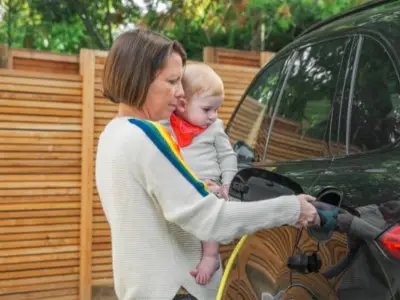
Mandy Simpson, co-founder of Simpson & Partners, pointed out an unexpected advantage for electric vehicle (EV) owners. "The hidden side benefit for EV drivers who home charge is that you don't need to go to the petrol station and expose yourself to the temptations on the snack aisle," she said. "It's like a passive benefit no one talks about."
Simpson linked the finding to broader health discussions, noting the constant media focus on weight loss, sugar, and rising diabetes rates. By avoiding the forecourt altogether, EV users may find it easier to resist unhealthy impulse purchases.
Convenience and Cost Savings of Charging at Home
The benefits of home charging for electric car owners extend beyond dodging snack aisles. Home charging is generally the most cost-effective method, primarily due to the lower price of domestic electricity compared to public charging points.
A significant financial incentive is the difference in VAT rates. Public charging attracts the standard 20 percent VAT rate, while electricity used for domestic charging is taxed at just 5 percent.
"Once you experience the convenience of home charging, it's hard to imagine going back," adds Simpson. "You can top up your car while you sleep. It's energy-efficient, time-saving and much less disruptive to your day. And turns out it's kinder to your waistband too."
The YouGov research underpinning this analysis shows that almost half (48 percent) of British drivers purchase snacks and drinks when they stop to refuel. For electric vehicle owners who primarily charge at home, this is a temptation and an expense they can largely avoid.