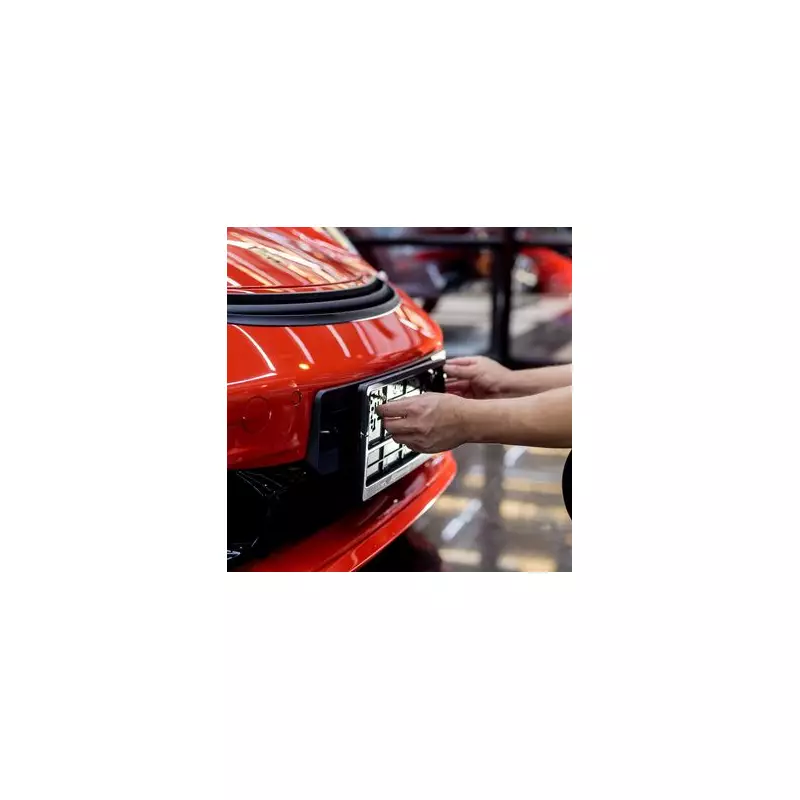
Major changes to the MOT test are being introduced by the government from January 2026, with a key focus on eliminating fraudulent 'ghost' MOT certificates. The overhaul, which begins on 9th January 2026, will require garages to upload photographs of vehicles during the test to provide a verifiable audit trail.
Stricter Checks and New Anti-Fraud Measures
Alongside the crackdown on ghost plates, where fake MOT certificates are issued for vehicles never seen by a tester, the Driver and Vehicle Standards Agency (DVSA) is introducing stricter guidance for several key components. Testers will apply more rigorous assessments to windscreen wipers, suspension systems, and brakes.
The mandatory photo upload is designed to create a digital record that proves the vehicle was physically present for its MOT, making it far harder for dishonest operators to sell certificates illegally. This move aims to protect motorists and improve overall road safety.

Revealed: The UK's Most Common MOT Failure Reasons
New research from MoneySuperMarket's car insurance experts, analysing over 209 million MOT failure records, has pinpointed the nation's most frequent test faults. The top reasons for failure are:
- An inefficient handbrake that cannot securely hold the car.
- Tyres with tread depth below the legal minimum of 1.6mm.
- A windscreen washer that does not provide sufficient liquid.
Car insurance expert Alicia Hempsted warned that an MOT failure also invalidates a car's insurance. To help drivers, the firm has launched a unique MOT Fail Checker tool. "We hope our new MOT checker puts drivers in the best position to make an informed choice, save money and stay safe on the road," she said.
The Car Models Most Likely to Fail an MOT
The data highlights specific models with high failure rates. Topping the list is the Peugeot 207 (both petrol and diesel), making it the model most likely to fail an MOT in the UK. Its predecessor, the Peugeot 206, ranks third.
For the Peugeot 206, DVSA data shows common failures include the nearside front tyre tread being too low (affecting 2.07% of tests) and parking brake inefficiency (2.12% fail rate). The Citroen DS3 appears twice in the top ten, with its diesel variant fourth and petrol version eighth, frequently failing due to a fractured rear coil spring.
Other common failures include a faulty windscreen wiper for the Renault Megane and an inefficient handbrake for the ever-popular Ford Fiesta. For the Fiat Punto, the issues mirror the national trends: a weak handbrake and worn front tyres.
Motorists are urged to check these key areas ahead of their next test, especially with the stricter rules now in force. Proactive checks can prevent costly failures and ensure vehicles are safe and legal for Britain's roads.