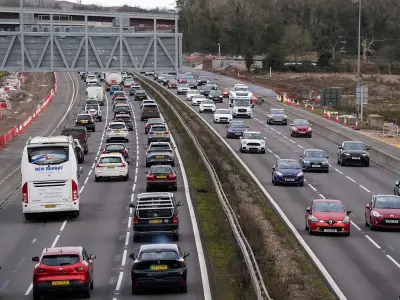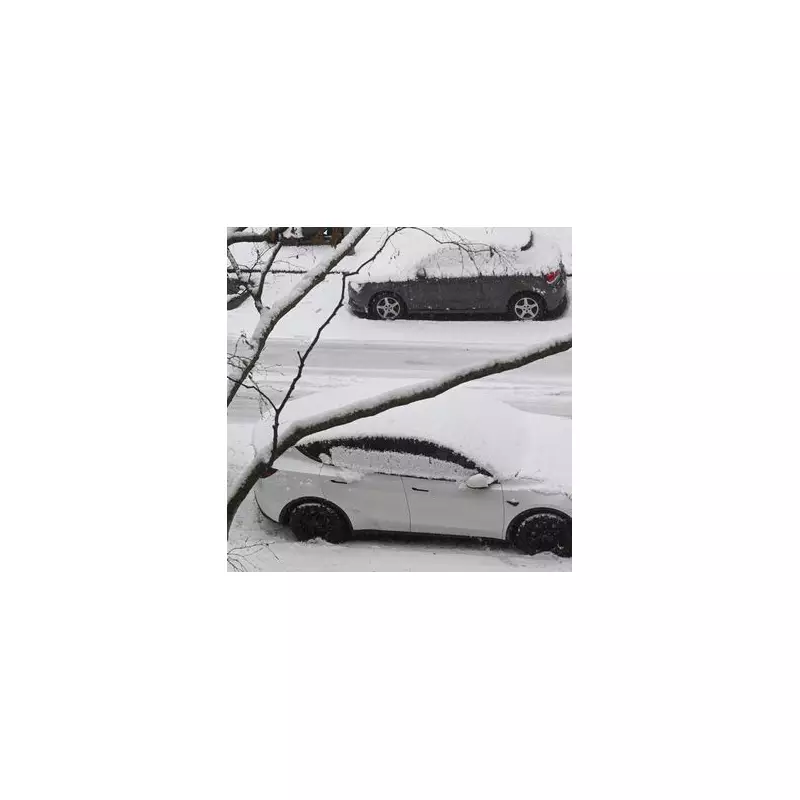
Drivers across the United Kingdom are facing a prolonged period of treacherous winter weather, with widespread snow, ice, and plummeting temperatures causing significant disruption. Major cities like Birmingham have been blanketed, leading to delays on roads and railways. With the cold set to continue, motoring experts are issuing an urgent warning for all motorists to conduct essential pre-journey checks to enhance safety and reduce the risk of becoming stranded.
Critical Vehicle Checks for Winter Survival
Andy Watt, Group Vice President for Mercedes-Benz at Stratstone, emphasises that winter conditions can challenge even the most experienced drivers. He advises that taking just a few minutes to inspect your vehicle can dramatically lower the chances of a breakdown or accident. The key areas to focus on are your battery, fluids, tyres, and lights before you set off on any journey.
Tyre Safety and Battery Health in the Cold
When it comes to tyres, the legal minimum tread depth is 1.66mm, but for winter driving, aiming for at least 3mm is strongly recommended. Deeper tread provides vastly improved grip on wet, icy, or snowy surfaces, which can be critical for shortening stopping distances. Furthermore, cold air causes tyre pressures to drop rapidly, so regular checks are vital for both safety and fuel efficiency.

Battery failure is one of the top causes of winter breakdowns. The cold makes engines harder to start, while increased use of heaters, lights, and wipers places extra demand on the electrical system. If your car's battery is over four years old, it is prudent to have it professionally tested or replaced proactively before the deepest cold arrives.
Fluids, Visibility and Essential Winter Kits
Using the correct screenwash and coolant mixture is another winter essential. Frozen coolant can cause catastrophic engine damage, so ensure it is topped up and mixed 50/50 with antifreeze. With dirtier roads, you'll use screenwash more frequently, so keep it topped up with a winter-grade product.
Visibility is paramount during the shorter, darker days. Ensure all lights are clean, fully functional, and that you carry spare bulbs. A blown bulb is not just a safety risk but could also lead to a police stop or an MOT failure. For de-icing, never use boiling water on a frozen windscreen as the thermal shock can cause it to crack instantly. Instead, use a proper scraper and de-icer spray, or allow the car's heater to warm the glass gradually.
Finally, for any essential journey in poor conditions, carrying a winter kit in your car is a wise precaution. Recommended items include:
- Blankets and warm clothing
- A torch with spare batteries
- A small shovel
- Snacks and bottled water
- A high-visibility vest
Being prepared for the unexpected can make a huge difference if you do encounter difficulties on icy UK roads this January.