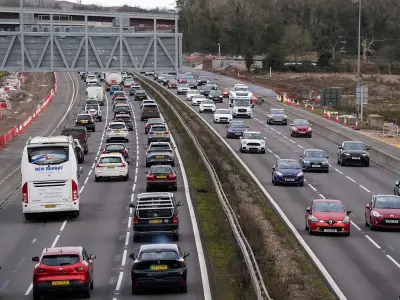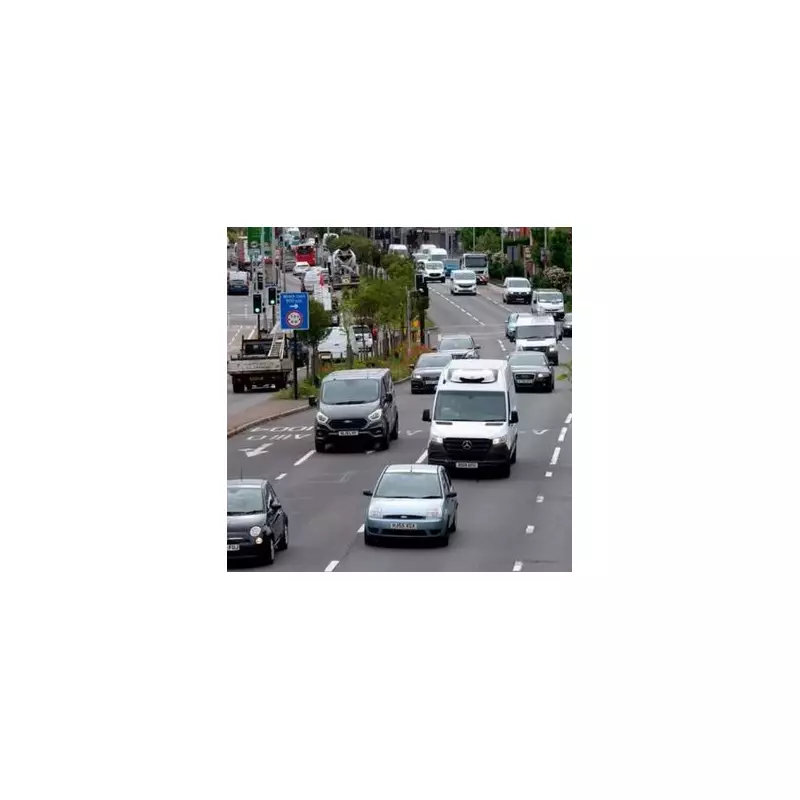
Many British drivers feel a surge of irritation when they see a vehicle speeding past a queue of traffic, only to merge at the very front. This act is widely perceived as the ultimate motoring faux pas—a clear case of queue-jumping. However, according to the official Highway Code, these drivers are not in the wrong; in fact, they are following the correct procedure.
The Most Misunderstood Rule of the Road
This common source of road rage relates to situations where a lane is closed ahead, often due to roadworks or an obstruction. The instinct for most motorists is to move into the open lane as soon as they see the warning signs. They fear being unable to merge later or worry about angering other drivers. This leads to one long, slow-moving queue while the other lane remains largely empty.
But the Highway Code advocates for a different approach, known as 'merge in turn' or the 'zip merge'. The rule states that drivers should use both lanes all the way up to the point where one lane ends. At this merge point, vehicles from each lane should take it in turns to proceed, much like the teeth of a zip closing together.

Why the Zip Merge is More Efficient
Motoring expert Mark Reece from Rev Monkey UK explains the logic behind the system. "You’re supposed to use both lanes right up to the merge point, then take turns like a zip," he says. "It’s not cutting the queue, it’s how the system is designed to work."
When drivers merge early, they effectively create a longer traffic jam that can block earlier junctions and reduce the overall road capacity. The zip method, however, utilises the full length of the available road space. This results in a smoother, more continuous flow of traffic, which is faster for everyone.
"The merge in turn system is about efficiency," Mark continues. "When used correctly, it keeps traffic moving smoothly, especially around roadworks or lane closures."
The Clash Between Fairness and Efficiency
The core of the issue lies in the British sense of fair play. Drivers who have patiently waited in a long queue naturally view someone using the empty lane as gaining an unfair advantage. This perception often leads to frustration, horn honking, and even drivers blocking the empty lane to prevent others from passing.
Mark Reece acknowledges this cultural challenge: "British drivers have a strong sense of fairness on the road. So when someone uses the empty lane to the end, others see it as queue-jumping, even though it’s the right thing to do."
Ultimately, the key takeaway is that the polite act of merging early is actually contributing to the problem. Adopting the zip merge technique, though it may feel counter-intuitive and even impolite, is the method endorsed by the Highway Code to keep traffic moving. As Mark concludes, "If everyone followed the merge in turn principle, traffic would move faster, and tempers would stay cooler. It’s not about pushing in, it’s about driving smart."