Motorists across the UK are being warned to remain vigilant against the growing threat of aquaplaning as rainfall levels continue to climb dramatically. Following the wettest winter in recorded history from 2023 to 2024, drivers must understand how to navigate these increasingly hazardous conditions safely.
The Rising Threat on UK Roads
Greg Wilson, a representative from Quotezone Comparison Services, highlighted the severity of the situation. "As the UK weather gets wetter and stormier, motorists need to be on alert for dangerous driving conditions," he stated. Wilson emphasised that many drivers significantly underestimate how easily aquaplaning can occur, noting that even a thin layer of water presents a serious risk if tyres are worn or speeds are excessive.
He further explained that the experience can be terrifying when drivers suddenly lose control, potentially leading to serious accidents. Regular tyre checks, reducing speed, avoiding sudden manoeuvres, and recognising early warning signs can all substantially improve safety during rainy drives.

Understanding and Identifying Aquaplaning
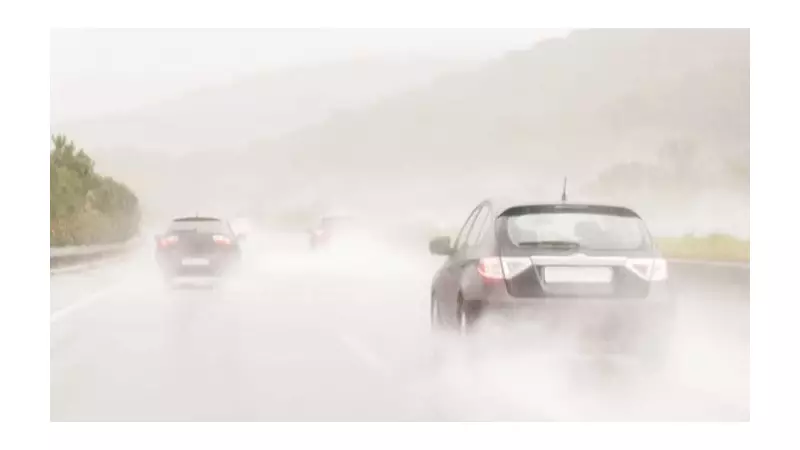
Aquaplaning, also known as hydroplaning, represents a critical loss of vehicle control that happens when a layer of water forms between your tyres and the road surface. This separation causes a complete loss of steering and braking capability until the tyres manage to regain proper contact.
Alarmingly, even small amounts of water can trigger this dangerous phenomenon if your tyres are worn down or under-inflated. The UK legal minimum tread depth stands at 1.6mm, making regular inspections absolutely essential for maintaining road safety.
Drivers should watch for these key warning signs:
- Unusually loud engine noise
- A sensation of the car dropping a gear
- Steering feeling light or unresponsive
- The rear of the vehicle fishtailing
Practical Prevention and Response Strategies
Slowing down remains the most effective preventative measure, as aquaplaning becomes far more likely above 35 mph. Drivers should also avoid harsh acceleration, sudden braking, and sharp steering movements during wet conditions.
If aquaplaning does occur, experts stress the importance of not panicking and avoiding the instinct to slam on the brakes or turn the wheel sharply. Instead, they recommend:
- Easing off the accelerator gradually
- Keeping the steering wheel straight
- Allowing the tyres to naturally regain their grip
Maintaining proper tyre pressure proves crucial in wet weather, as under-inflated tyres cannot effectively push water away from the contact surface. Drivers should consult their car manual or doorframe sticker for correct pressure figures and perform regular checks, particularly before long journeys.
While the legal minimum tread depth is 1.6mm, having deeper tread significantly improves both grip and water clearance capacity. Driving with worn tyres isn't just unsafe—it can result in fines, penalty points, and even invalidate your insurance coverage.
Additional safety measures include avoiding large puddles whenever possible, as they can cause sudden loss of road contact. When puddles are unavoidable, reduce speed, steer gently, and use headlights to maintain visibility. In heavy rain, following the tracks of the vehicle ahead can help your tyres maintain better grip, as those areas have already displaced some surface water—though maintaining a safe following distance remains essential.
Smooth driving techniques prove most effective in wet conditions. Gentle steering, braking, and acceleration help maintain control, while cruise control should be avoided entirely to ensure quick reaction capability if aquaplaning occurs, particularly around bends.