Motorists across the UK are being encouraged to make use of a simple button found in the majority of modern cars to slash their fuel bills, with potential nationwide savings running into hundreds of millions of pounds annually.
The Simple Switch for Major Savings
According to experts at Radius, the UK's leading fuel card provider, consistently using your vehicle's cruise control function is a highly effective method for reducing fuel consumption in both petrol and diesel cars. The company highlights that this one adjustment to driving habits could secure thousands of pounds in savings for individual drivers over time.
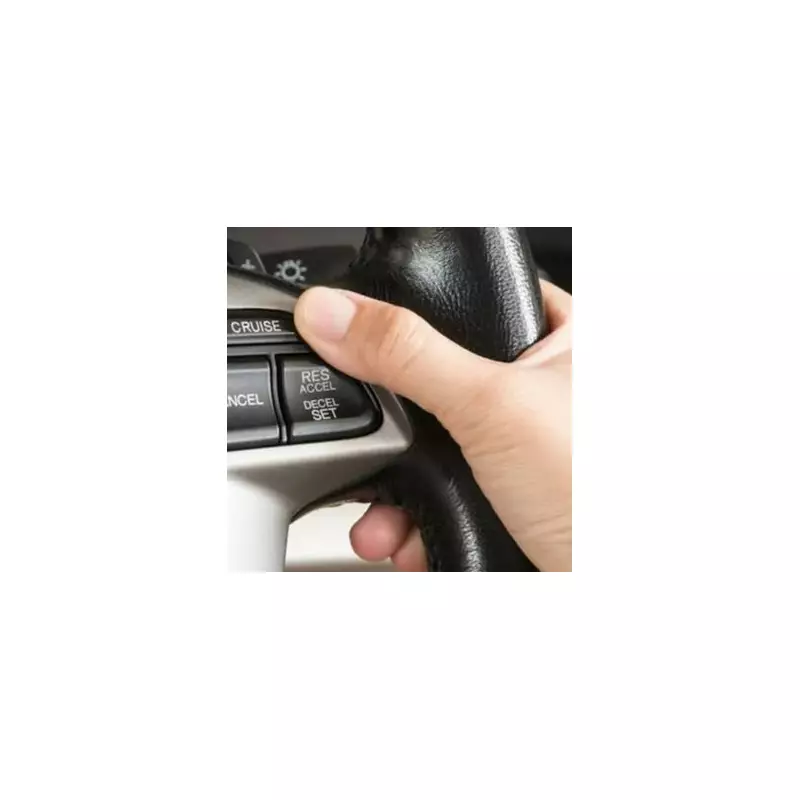
Kerry Fawcett, an expert at Radius, explained the mechanism and benefit. "Cruise control is designed to keep your car moving at a steady speed without you having to keep your foot on the accelerator," she said. "Once you reach your desired speed on a flat stretch of road, you simply press the cruise control button to ‘set’ it, and the system then maintains that speed automatically. You can easily override it at any time by pressing the brake or accelerator."

The Staggering National Impact
The cumulative effect of this simple action is profound. On steady, flat motorway journeys, using cruise control can improve fuel efficiency by around 14%. For the driver, this translates to saving approximately £1.35 to £1.65 in fuel for every hour of driving.
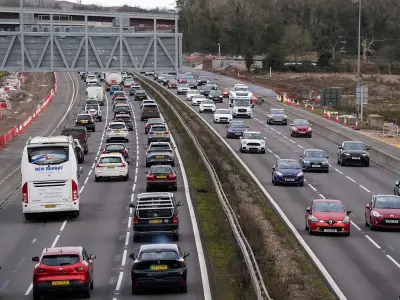
Scale this up to the national level, and the figures become eye-watering. With over 200,000 vehicles using the UK's busiest motorways every single day, Radius calculates a potential daily saving of £270,000 to £330,000. If all motorists used the technology effectively, the annual fuel savings could reach an astonishing £120 million.
How and When to Use Cruise Control
Once a feature reserved for high-end luxury vehicles, cruise control is now a common fixture in even the smallest city cars. The RAC describes it as a form of 'auto-pilot' for your car, an electronic system that fixes the vehicle's speed, allowing you to remove your foot from the accelerator pedal.
It is activated via buttons on the steering wheel or a stalk, with the main controls being:
- On/Off: To activate the system.
- Set: To lock in your current speed.
- Cancel: To disengage cruise control.
- Resume: To return to a previously set speed.
Cruise control is designed for use on roads with consistent traffic flow, such as A-roads and motorways, where there are few stops or sharp turns to negotiate. It is less suitable for urban driving with frequent junctions and roundabouts.
For UK drivers facing sustained high fuel prices, this advice presents a clear, immediate, and cost-free way to improve economy on long journeys, putting significant money back in their pockets while also reducing overall fuel consumption.