British motorists are facing urgent warnings to steer clear of dangerous de-icing methods circulating on social media, as a deep freeze continues to grip the nation. Automotive experts caution that while some viral trends promise quick fixes, they can lead to permanent and expensive damage to vehicle windscreens and engines.
The Dangers of DIY De-Icing Methods
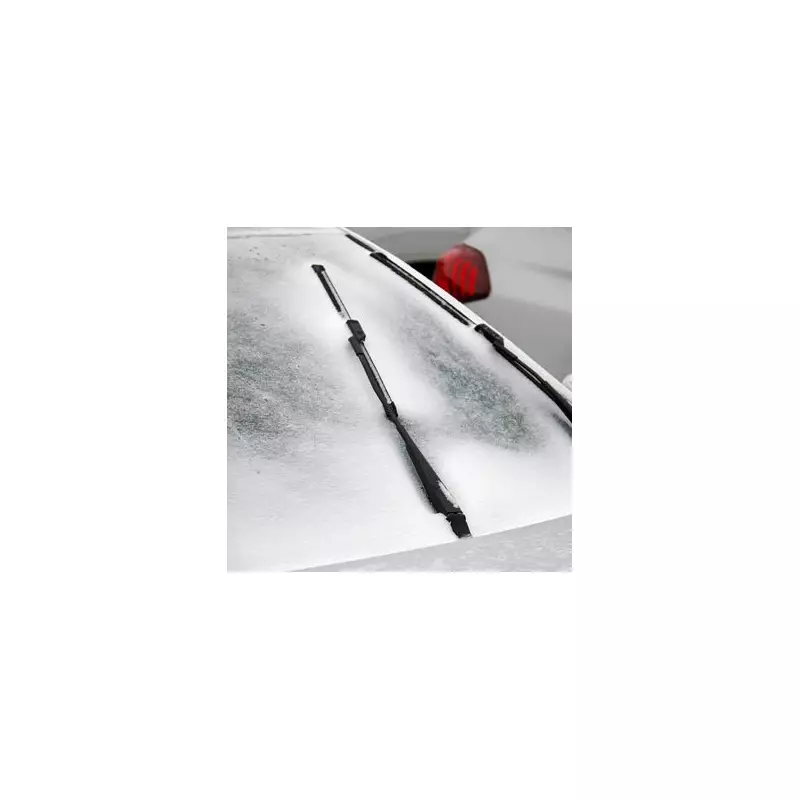
A particularly popular hack involves using a sandwich bag filled with warm water to melt frost. However, using boiling water is a recipe for disaster. The extreme and rapid change in temperature, known as thermal shock, can cause the glass to crack instantly. This would necessitate a complete and costly windscreen replacement.
Furthermore, the type of bag used matters. Employing a stiff 'bag for life' with sharp edges can leave long-lasting scratches on the glass surface. Drivers are advised to only use smooth, pliable bags if attempting this method, though experts strongly recommend against it altogether.

Safer Alternatives and Preventative Measures
For a safer, heat-free solution, a homemade spray can be effective. A mixture of three parts vinegar to one part water acts as a natural antifreeze, helping to break down stubborn frost without the risk of thermal shock.
Prevention, however, is the most effective strategy. Covering the windscreen overnight with cardboard or a dedicated frost protector can save a morning headache. Simple steps like wrapping wing mirrors in carrier bags can also stop them from freezing solid.
Another common mistake is leaving the engine idling to warm up the car. This practice can shorten the engine's lifespan over time and, if the driver steps away, presents an open invitation to thieves. A better approach is to start driving and then use the air recirculation button, which traps and distributes existing heat more rapidly throughout the cabin.
Low-Cost Solutions for a Warm Interior
For those seeking extra comfort, low-cost electric blankets or heated seat covers offer a practical solution. A basic electric blanket, costing around £14, uses approximately 3p of electricity per hour. Running it for seven hours a day would cost roughly £1.37. Placing such blankets across the seats can generate warmth inside the vehicle and significantly reduce morning defrosting time.
Some models are designed to plug directly into a car's 12-volt cigarette lighter socket, providing immediate warmth until the vehicle's own heating system takes over. As the UK endures this cold snap, adopting these safe, expert-approved methods is crucial for protecting both your car and your wallet.