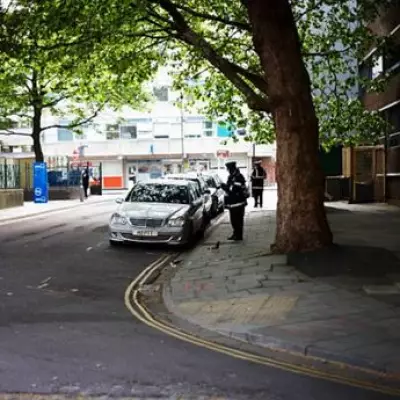
Motorists in part of Scotland are now facing significant new restrictions and potential fines as a major crackdown on pavement parking comes into effect.
New Rules and Key Enforcement Dates
East Renfrewshire Council initiated the enforcement of its pavement parking ban on 5 January 2026. However, the council is implementing a three-month 'soft launch' period to allow the public to adjust. This advisory phase will run from 5 January until 31 March 2026.
Formal enforcement, where financial penalties will be issued, is scheduled to begin on 1 April 2026. From that date, drivers caught parking on pavements could receive a Penalty Charge Notice of £100. This fine will be reduced to £50 if paid within 14 days.

Safety Aims and Public Reaction
Councillor Danny Devlin, Convener for Environment and Housing, stated the primary goal is to enhance safety. "The new rules aim to reduce danger and inconvenience to people walking, wheeling, and cycling because of pavement parking," he said. The council hopes this will make footpaths and roads safer for all users.
The policy is designed to particularly benefit individuals in wheelchairs, those with mobility issues, and parents with prams, who often must move onto the road to pass obstructed pavements.
Despite these intentions, the ban has sparked concern among some residents. One critic predicted "mayhem," citing negative experiences in other areas around Glasgow. "Vehicles unable to pass, near misses and crashes have gone up, emergency services are being held up... This is totally disastrous," they shared.
Exemptions and Future Review
The regulations include an important exemption: the ban does not apply to dropped kerbs at private driveways. The council has committed to ongoing management of the scheme and will monitor its impact closely.
Officials have stated they will consider revisions to the process and exemptions if significant challenges arise, following criteria set by Transport Scotland. To establish a baseline, a comprehensive survey of all streets in the authority was conducted prior to the ban's introduction, assessing factors like road width, parking availability, and proximity to local facilities.
Councillor Devlin urged drivers to adopt the change early to avoid penalties once the formal enforcement period begins in April.