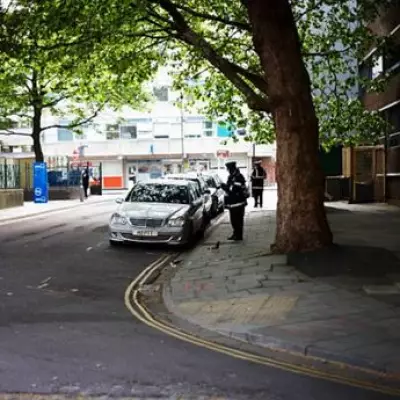
Council traffic wardens conducting routine windscreen checks made a startling discovery that revealed one of Britain's most persistent blue badge offenders.
The serial offender
Freedom of information requests submitted by motoring firm Evans Halshaw uncovered an extraordinary case of blue badge misuse in Kingston upon Thames, London. One vehicle accumulated 34 separate fines over a five-year period, demonstrating what officials described as either remarkable persistence or sheer audacity.
The motorist continued using disabled parking facilities despite repeated penalties, suggesting they were either determined to keep trying their luck or hadn't learned from previous encounters with parking enforcement.

National problem exposed
This case represents the worst example identified, but it's far from isolated. Another vehicle in Hackney, London received 29 fines, while Sunderland City Council issued 19 penalties to a single car.
Blue badge misuse typically involves drivers using someone else's disability badge - often belonging to family members or friends - when they themselves have no qualifying medical condition or mobility issues.
At the standard £70 penalty rate, the Kingston upon Thames offender would have faced £2,380 in fines for their 34 violations, though actual amounts paid may vary depending on early payment discounts.
Impact on disabled community
Julie Wallman, divisional marketing director at Evans Halshaw, emphasised the real-world consequences of this behaviour. "Disabled parking bays exist to ensure safe and accessible travel for people with limited mobility," she stated.
"When drivers use these spaces without a blue badge, it reduces availability for those who genuinely need them. These figures show just how common this issue is across the UK, and highlight the importance of keeping accessible spaces available."
The problem has seen significant growth in recent years, with increasing numbers of motorists attempting to circumvent parking regulations, ultimately denying accessible spaces to people with genuine mobility requirements.