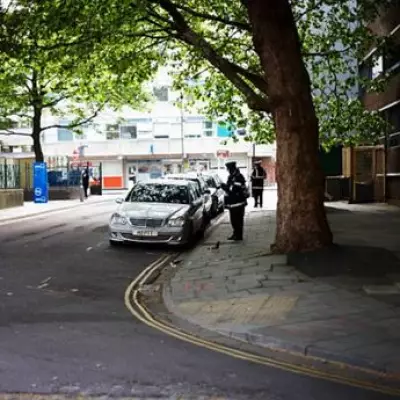
The UK Government is on the verge of a decision that could transform the daily routines of millions of motorists across England. A long-awaited review into implementing a nationwide ban on pavement parking is concluding, with ministers reportedly in favour of the prohibition.
What a Nationwide Ban Would Mean
While it is already discouraged to park fully on and block the pavement, the practice remains commonplace, particularly on narrow residential streets where space is limited. Many drivers currently park with two wheels on the kerb to ensure they do not impede the flow of traffic or to prevent their vehicle from being sideswiped by passing cars.
However, advocates for the change argue that a blanket ban is essential for improving safety. They highlight the plight of vulnerable pedestrians, including parents with pushchairs, the elderly, and wheelchair users, who frequently find their path obstructed by inconsiderately parked vehicles.

Implementation and Enforcement Challenges
A significant point of uncertainty remains around how the ban would be enforced if it is introduced. It is still unclear whether individual local councils will be tasked with implementing and policing the regulations on their own streets.
This raises questions about whether narrow residential roads, where pavement parking is often seen as a necessary evil, would be properly monitored. The government has been promising a verdict for months, but an announcement has been repeatedly delayed.
Andy Syrett, UK managing director at YourParkingSpace, emphasised the scale of the potential change, stating: "This is a live issue that affects almost every street in the country. If a nationwide ban is introduced, it would mean a major change to how millions of people park their cars – and live their daily lives."
A Long-Awaited Decision
The review into pavement parking is not a new initiative. The process stretches back years to former Conservative administrations but has been subject to multiple delays. The current government has been conducting its own analysis, with a pledge to deliver a conclusion shortly.
Public opinion appears divided. There is strong support for creating safer and more accessible pavements for all pedestrians. Conversely, many drivers are understandably concerned about the potential for disruption, especially in built-up urban areas where off-street parking is scarce and roads are already tight.
The final decision, when it comes, will mark a pivotal moment for England's transport and accessibility policy.