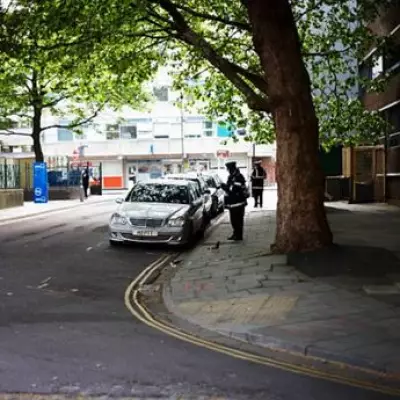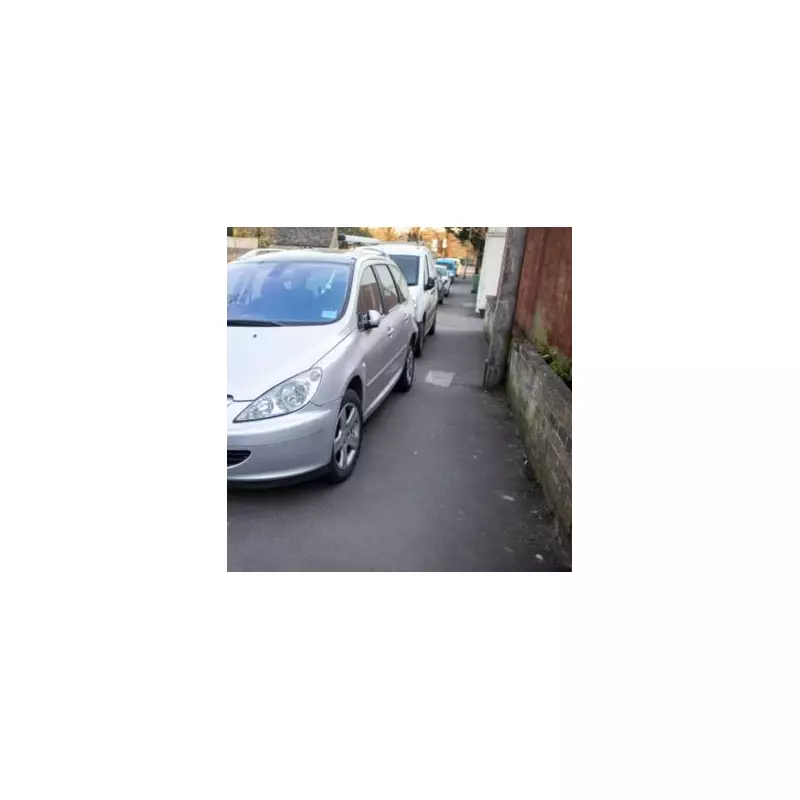
Drivers across England are set to encounter significant changes to parking regulations, as a new law introduced by the Labour government grants local councils expanded authority to implement pavement parking bans. The Department for Transport has officially confirmed that these enhanced legal powers will empower local leaders to more effectively restrict pavement parking, moving away from the previous cumbersome and limited approach.
Streamlined Powers for Local Decision-Making
Under the previous system, councils often faced lengthy and complex processes, with action typically confined to individual streets. The new framework simplifies this, allowing local authorities to apply restrictions across broader areas with greater flexibility. This shift recognises that local leaders possess the intimate knowledge of their streets necessary to respond appropriately to community needs.
Local councils will now have the discretion to decide where and when to take action against pavement parking, while retaining the ability to permit it in situations where it is deemed acceptable, such as to maintain traffic flow without causing inconvenience to pedestrians.

Ministerial Support for Pedestrian Safety
Labour Party Local Transport Minister, Lilian Greenwood, emphasised the critical importance of this policy change. She stated that clear pavements are fundamental for safe and independent mobility, particularly for vulnerable groups including parents with pushchairs, wheelchair users, and individuals who are blind or partially sighted.
"We are empowering local authorities to address problematic pavement parking," Greenwood explained. "This initiative is designed to facilitate easier and safer travel for all, enabling people to reach their destinations without unnecessary obstacles."
Campaigners and Industry Respond
The announcement has been warmly welcomed by advocacy groups, notably Guide Dogs. Chief Executive Andrew Lennox expressed relief after years of campaigning, highlighting the severe risks posed by obstructed pavements. He noted that vehicles blocking pathways force people with sight loss into roads with oncoming traffic they cannot see, undermining their confidence, independence, and access to essential activities like work and education.
Lennox added, "Pavement parking acts as a barrier that excludes people from daily life. We anticipate collaborating with the government and local councils to ensure these new measures are implemented swiftly and enforced consistently, with the goal of making pavement parking a historical issue."
From the motoring perspective, RAC Senior Policy Officer Rod Dennis provided a balanced view. He referenced RAC research indicating that a majority of drivers agree no pedestrian should be compelled to walk or wheel into the road due to inconsiderate parking.
"These proposals should enable councils to prevent pavement parking where it creates problems," Dennis remarked. "However, they also allow for partial pavement parking in scenarios where it aids traffic movement and does not disrupt others."
Implications for Communities and Drivers
This legislative change represents a significant step towards enhancing urban accessibility and safety. By decentralising decision-making, it aims to create more pedestrian-friendly environments while acknowledging the practical realities of local traffic management.
Drivers are advised to stay informed about specific regulations in their areas, as councils begin to exercise these new powers. The overarching goal is to strike a balance between vehicular convenience and the paramount need for safe, unobstructed pedestrian pathways.