In a significant update for older drivers, Members of Parliament have revealed that state pensioners may be permitted to use Blue Badge disabled parking bays without holding the official permit.
Parliamentary Discussion on Parking Eligibility
The potential change was brought to light during a recent session in the House of Commons. Labour Party MP Sojan Joseph directly questioned the Secretary of State for Transport, asking whether an assessment had been made regarding the merits of extending eligibility for disabled parking bays to people of state pension age who have mobility issues but do not receive the higher rate of Disability Living Allowance (DLA) or Personal Independence Payment (PIP).
In response, Simon Lightwood, the Labour Party MP and Parliamentary Under-Secretary for the Department for Transport, clarified the existing legal framework. He pointed to Part IV of the Road Traffic Regulation Act 1984, which grants local authorities the power to designate parking bays for specific uses, issue local permits, and reserve spaces through Traffic Regulation Orders (TROs).

Decision Lies with Local Authorities
Mr Lightwood emphasised that any such concession would be a voluntary local scheme. He stated, "The cost and nature of the concession would be for the local authority to decide." This means the power to allow state pensioners to use these coveted parking spaces rests entirely with individual councils across the UK.
Consequently, state pensioners are being urged to check the specific requirements and rules of their own local authority and council regarding Blue Badge permits and parking concessions. A postcode lottery could emerge, where some councils adopt the measure while others do not.
Context of the Blue Badge Scheme
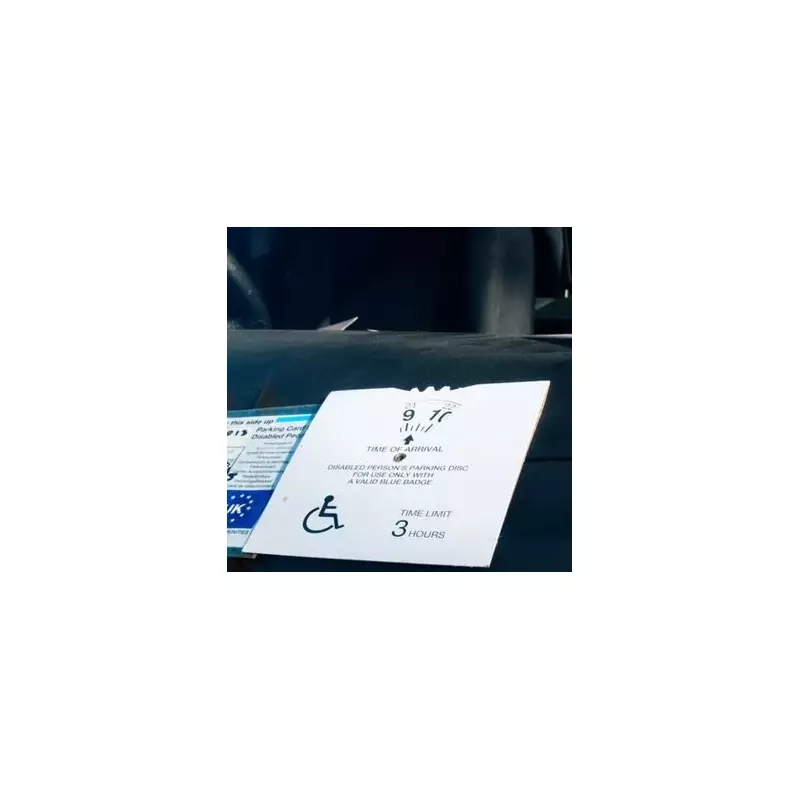
The Blue Badge scheme is a vital lifeline for many. It is granted to individuals whose disabilities or health conditions severely limit their mobility. The permit entitles the holder to:
- Park free of charge in designated disabled parking bays, which are often located closer to shops and destinations.
- Park on most single and double yellow lines for a limited time, providing crucial access.
In 2019, the government expanded the scheme to include people with non-visible conditions such as Parkinson’s, dementia, and epilepsy.
In recent years, there have been growing calls to modernise the system. The issue of badge theft has prompted discussions about introducing paperless permits. The success of such initiatives is demonstrated by Haringey Council in north London, which reported a 65% reduction in thefts since it launched its paperless scheme in November 2022.
This latest development for state pensioners represents a potential further evolution of the support available for those with mobility challenges, placing the decision-making power firmly in the hands of local government.