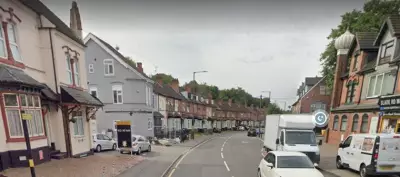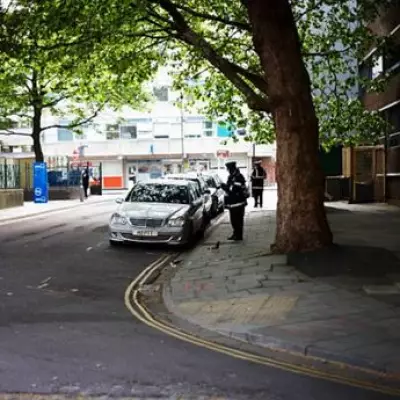
Today's article presents a writer's personal edition from Samuel, offering reflective observations on Birmingham's evolving urban fabric. The piece explores the contrasting walkability of the Jewellery Quarter versus Digbeth, alongside cultural notes on saxophones, Nigerian choral music, West Midlands police in Bosnia, and emerging Gen Z Brummie rappers. This collection of musings provides a unique lens on city life in the West Midlands.
Living in the Walkable Jewellery Quarter
Technically residing in the Jewellery Quarter, just minutes from Dispatch HQ on Albion Street, the writer openly admits to disliking commuting. As part of the under-40 demographic, they advocate for cities designed around walkability, robust public transport networks, and environments that are relatively hostile to private cars. This perspective acknowledges the inherent irony in Birmingham, a city where the automobile still reigns supreme as the dominant mode of transport.
Birmingham's Active Travel Challenge
According to research from The Economist, Birmingham holds the dubious distinction of being the least active-travel oriented city outside of North America. This statistic underscores the significant challenges facing urban planners and residents who prioritise pedestrian and cycling infrastructure over car-centric development.

The Jewellery Quarter's Accidental Preservation
The Jewellery Quarter stands as a notable exception to Birmingham's overall transport orientation. It represents one of the few areas in the city that maintains density, walkability, and has avoided being fragmented by major motorway projects. This preservation occurred somewhat accidentally during the postwar planning era under city engineer Herbert Manzoni. His proposed motorway routes happened to skirt around the periphery of the Jewellery Quarter rather than carving directly through its historic streets, allowing its unique character to endure.
From Digbeth to the Jewellery Quarter
The writer recently relocated from Digbeth to the Jewellery Quarter, noting that both areas offer relative walkability. However, a key distinction emerges in their perceived maturity and community development. The Jewellery Quarter benefits from having accumulated what the writer describes as a "thicker layer of life"—a sense of established community, amenities, and urban fabric that feels more complete.
Digbeth's Transitional State
In contrast, Digbeth currently exists in what the writer characterises as a "chrysalis stage" of development. Its future trajectory remains uncertain and open to speculation. Several potential paths forward include gentrification into what might become bland corporate venues like crazy golf bars, continued decline evidenced by a 20% drop in property prices last year, or transformation into something genuinely remarkable and community-focused. This uncertainty makes Digbeth a fascinating case study in urban evolution.
The article concludes by emphasising that Birmingham deserves high-quality, investigative journalism. Readers are encouraged to support local news by subscribing to Dispatch for full access to stories that matter, with membership available from just £8 per month. Existing account holders can simply sign in to continue reading comprehensive coverage of issues affecting the West Midlands region.