Kings Heath LTN Phase Two Faces Setback as Council Demands Revisions
Campaigners in Birmingham have expressed significant disappointment following the announcement that the second phase of the controversial Kings Heath Low Traffic Neighbourhood scheme has encountered a substantial setback. The city council has confirmed that the existing proposals require thorough revision and additional development work before they can proceed further.
Council Acknowledges Need for Further Development
Councillor Majid Mahmood, the cabinet member for transport, emphasized that the council must adopt a balanced approach when determining the future of the scheme. "In determining a way forward, the council must take a balanced view weighing up policy considerations, statutory duties, regulatory frameworks and equity," he stated. "As such, further work is needed before we can progress a scheme solution for this area."
Councillor Mahmood further clarified that updates will be provided once a revised proposal is prepared for presentation to the council's cabinet committee. The LTN initiative, which aims to reduce traffic in residential neighborhoods to enhance safety for pedestrians and cyclists, has consistently generated strong and divided opinions within the local community.

Campaigners Voice Frustration Over Delays
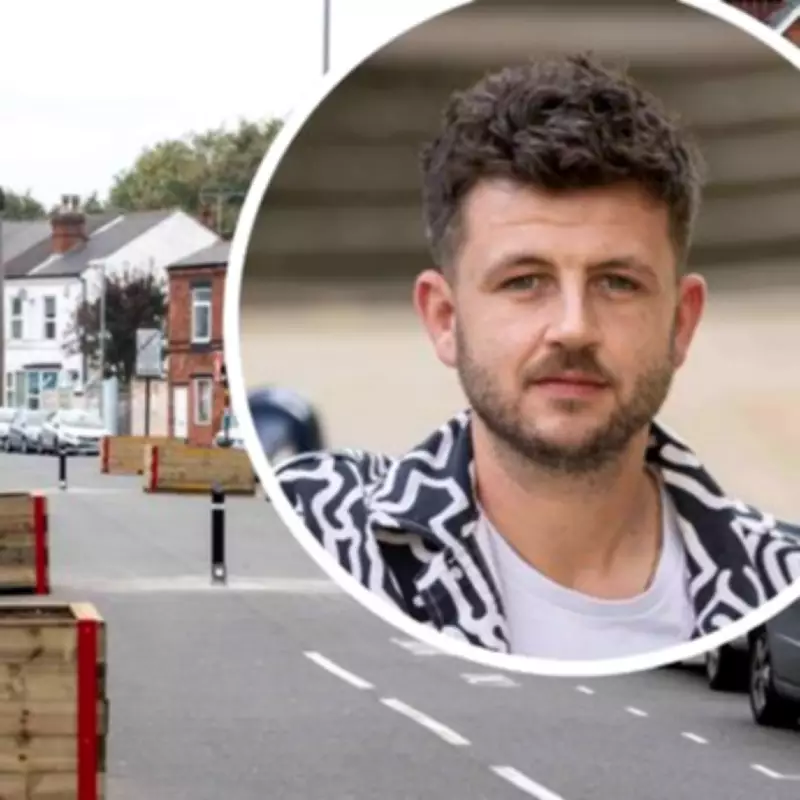
Martin Price, chair of Better Streets for Birmingham, responded to the delay with clear frustration, urging the council to accelerate the process due to pressing road safety concerns. "The Kings Heath and Moseley scheme has always been ambitious and we continue to be disappointed that it has taken six years to get to this point," he remarked.
Price acknowledged the positive intention to move forward with a scheme but stressed the urgency of implementing street redesigns. "It is important that we all remember the crux of a low-traffic scheme is to make residential streets safer for everyone by re-routing shortcutting through traffic to main roads designed for it," he added. "The sooner these street redesigns are achieved, the better."
Background and Community Impact
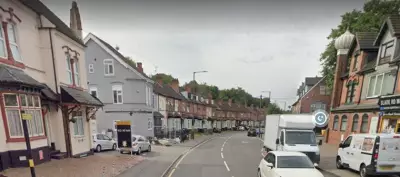
The Low Traffic Neighbourhood scheme in Kings Heath has been a topic of intense debate since its inception. Modal filters, which restrict through traffic on specific streets, have already been implemented to the west of Kings Heath High Street, alongside the pedestrianisation of a section of York Road. These measures are part of a broader strategy to address growing transportation demands in a rapidly expanding city.
Councillor Mahmood previously recognized the project's polarizing nature in 2025, noting that seven rounds of consultation had been conducted to incorporate public feedback. Common criticisms included concerns about longer journey times and the potential displacement of traffic onto fewer roads. However, the council remains committed to reducing traffic on residential streets unsuitable for high vehicle volumes.
Expert Perspectives on Safety and Pollution
Mat MacDonald, an NHS doctor appointed as Road Safety Commissioner by West Midlands Mayor Richard Parker, has highlighted the critical importance of the LTN scheme. He pointed out the daily dangers faced by hundreds of children attending four schools in the area, who contend with increasing traffic, congestion, and pollution during their commutes.
The council's overarching goal is to create a transport system that does not rely solely on cars, thereby addressing issues of accessibility, air quality, and road safety for all residents. As the city continues to grow, the need for sustainable and safe transportation solutions becomes ever more urgent, making the progression of schemes like the Kings Heath LTN a matter of significant public interest.