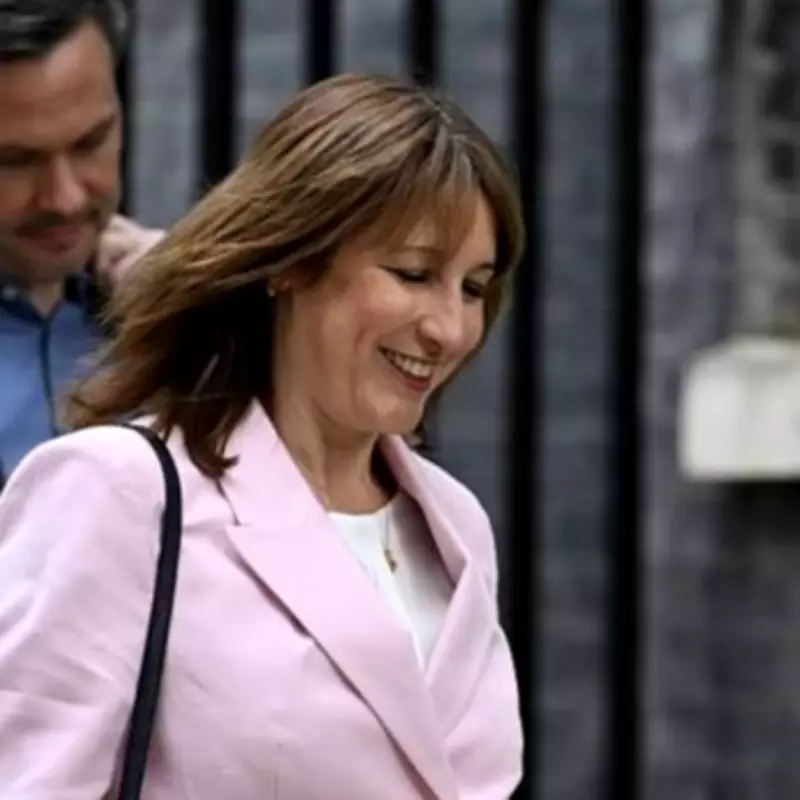
Rachel Reeves' new car tax bands for 2026 are having a noticeable impact on running costs, it has been warned. The Labour Party Chancellor confirmed new Vehicle Excise Duty rates in her Autumn Budget last year. Ahead of Christmas, Ms Reeves greenlit changes that took effect from April 1, increasing car tax for almost all petrol, diesel, and electric car owners.
Emissions-Based Calculations
Cars registered between 2001 and 2017, and first-year tax rates for new cars, are calculated based on vehicle emission rates, with dirtier cars paying more. Andy Wood, tax expert at Tax Barrister UK, explained: 'A lot of drivers still assume road tax is calculated purely on the age of the vehicle, but emissions remain one of the biggest factors in determining how much motorists pay.'
'Even relatively modest differences in CO₂ output can place vehicles into entirely different tax bands, which can have a noticeable impact on annual running costs,' he added.

Expert Insights
William Fletcher MBE, CEO of Car.co.uk, previously explained: 'These vehicles are now being taxed at the same rate as high-end luxury cars worth many times more. For many owners, it simply doesn't make financial sense to keep them on the road.' Mr Wood added: 'It is always worth checking exactly which tax band a vehicle falls into before purchasing a used car, particularly as ongoing ownership costs can vary much more than people expect.'
RAC Guidance
The RAC adds: 'Vehicle Excise Duty (usually referred to as car tax or road tax) is a fee that most drivers in the UK have to pay to use their car on the public road. The amount you will pay for road tax will broadly depend on the date your car was first registered, the type of fuel it uses and how much tailpipe CO2 it produces.'
In 2026, most drivers pay £200 a year for car tax, while those with a car that cost over £40,000 when new pay up to £640.