Major construction work on five brand-new railway stations across the West Midlands has been officially completed, marking a significant milestone in the region's transport expansion.
Stations Finished Ahead of 2026 Opening
Mayor of the West Midlands, Richard Parker, confirmed the news on 22nd December 2025, stating that the building phase for all five stations is now over. The sites have been handed over to operator West Midlands Railway, which will begin extensive testing and final preparations ahead of launching passenger services in early 2026.
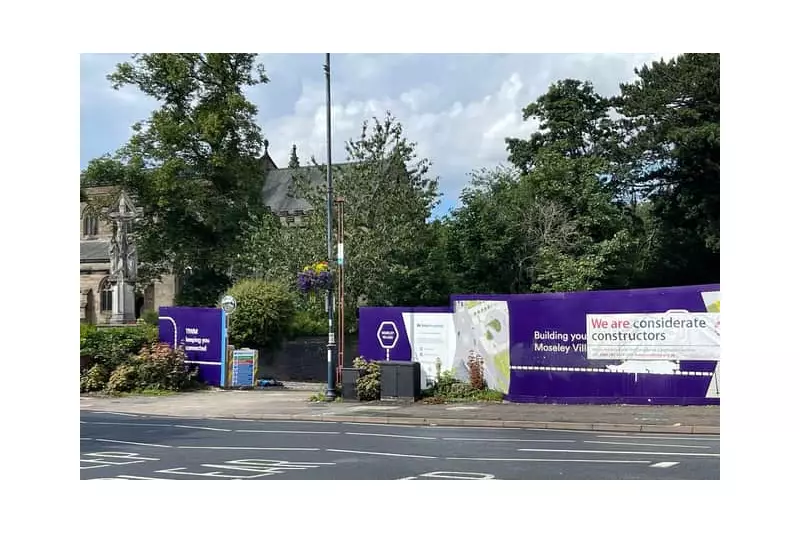
The project encompasses two distinct clusters of stations. In south Birmingham, three new stations have been built on the Camp Hill Line: Moseley Village, Kings Heath, and Pineapple Road. In the Black Country, two new stations, Willenhall and Darlaston, have been constructed on the line between Walsall and Wolverhampton.

Restoring Historic Rail Connections
The completion of these stations signals the return of passenger rail to communities that have been without it for generations. The three Camp Hill Line stations will reinstate services to that corridor for the first time since the Second World War, a gap of over 80 years.
Once operational, trains on this line are planned to run every 30 minutes between Birmingham New Street and Kings Norton. Meanwhile, the new Willenhall and Darlaston stations will restore passenger services to that part of Walsall for the first time since the 1960s.
Initial services from Willenhall and Darlaston will provide direct connections between Wolverhampton and Birmingham. Discussions are ongoing with the Department for Transport and Walsall Council about potentially adding a direct service into Walsall town centre itself.
Mayor Hails "Life-Changing" Infrastructure
To mark the end of construction, Mayor Richard Parker unveiled a station name sign at the new Willenhall station. He was joined by representatives from Network Rail, Transport for West Midlands (TfWM), and West Midlands Railway.
In his statement, Mayor Parker emphasised the transformative impact of the new stations. "I promised these five new stations would be finished by the end of the year - and we've delivered," he said. "For some communities, this is the first time in more than 80 years they've had their own train service. That changes everyday life. Getting to work, college or seeing family becomes simpler and quicker."
He also highlighted the expected economic benefits, stating: "It also means more people coming into town centres. More footfall for shops and cafés. More confidence for local businesses to invest and grow. This is what delivery looks like - backing places that have waited far too long for decent connections."
The focus now shifts to the railway operator and authorities to complete the necessary safety checks, staff training, and timetable finalisations to welcome the first passengers in 2026.