Birmingham Council to Enforce Pavement Parking Ban Using New Government Powers
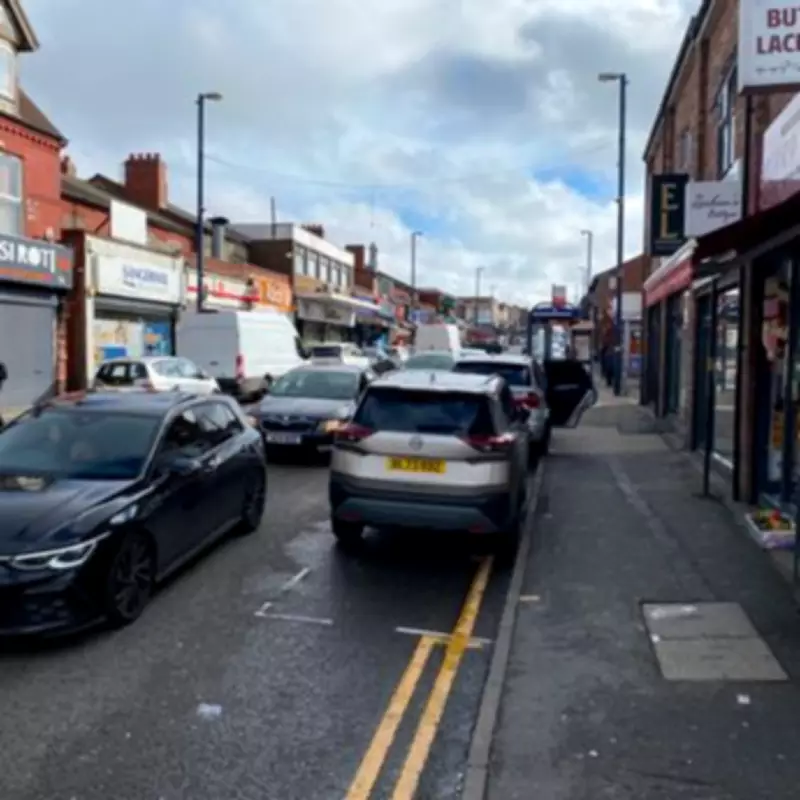
Birmingham City Council has announced it will utilize newly granted authority to ban pavement parking across significant portions of the city. This initiative, part of broader Government efforts to empower local authorities, aims to improve safety and accessibility for pedestrians.
The council plans to implement these measures later this year at the earliest, following extensive national discussions and consultations. Similar restrictions have been in place in London for some time.
Targeted Enforcement in High-Traffic Areas
Council leaders will have the discretion to designate specific roads for the ban, with a focus on the city centre, busy thoroughfares, and known parking hotspots. The rules are expected to function similarly to double yellow lines, with traffic wardens monitoring these routes to ensure compliance.

This move aligns with the council's recent deployment of a surveillance vehicle to address poor parking practices throughout Birmingham.
Official Statements on Safety and Accessibility
Councillor Majid Mahmood, Cabinet Member for Environment and Transport, expressed support for the Government's decision. "We welcome the Government’s decision to grant councils new powers to keep pavements clear," he stated.
"These powers will help us make our pavements safer, more accessible and more inclusive for everyone who relies on them."
Mahmood emphasized the need to reduce reliance on private vehicles, referencing the Birmingham Transport Plan's promotion of active travel. "Inconsiderate and illegal pavement parking creates barriers to walking and cycling and for those who need mobility aids, and can contribute to road collisions," he added.
"These new measures, which we have been pushing for, will go a long way to help communities move safely around the city."
Broader Context and Community Impact
The pavement parking ban is part of a larger strategy to transform urban mobility in Birmingham. By clearing pavements, the council aims to:
- Enhance safety for pedestrians, including those with disabilities or mobility aids.
- Encourage walking and cycling as viable alternatives to car travel.
- Reduce traffic-related incidents caused by obstructed pathways.
Residents and drivers in affected areas will need to adjust their parking habits as these regulations take effect, marking a significant shift in the city's approach to traffic management and public space utilization.