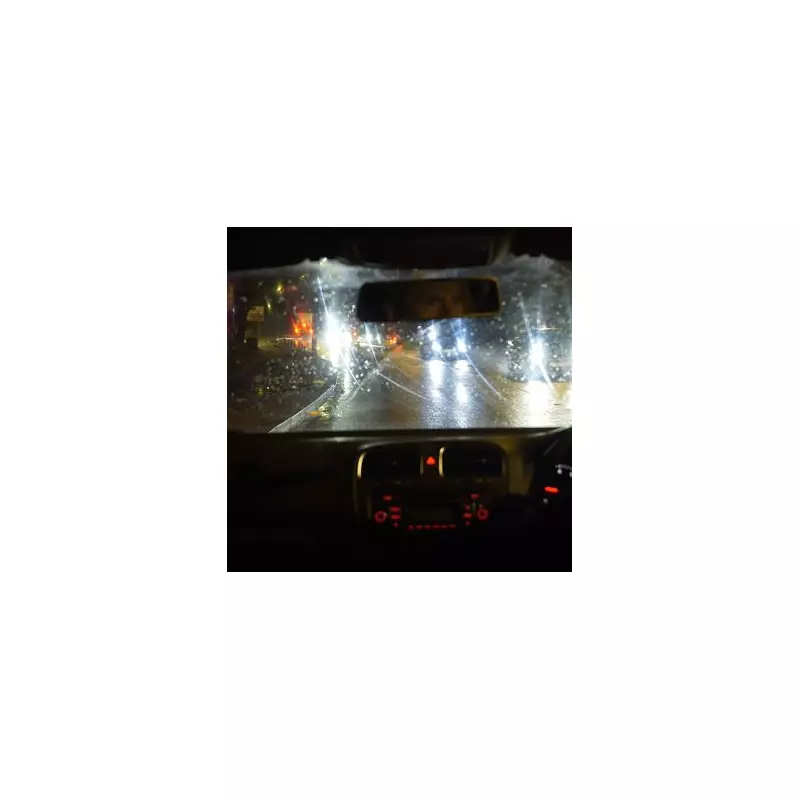
The UK government is set to deliver a crucial verdict on the issue of excessively bright vehicle headlights, following a period of on-road testing and scientific analysis. The Department for Transport has confirmed it will conclude its review before the end of 2025.
RAC Research Highlights Safety Risk
The review comes after sustained pressure from motoring organisations, notably the RAC based in Walsall. The RAC had called for independent government research, citing its own findings that revealed nearly all drivers have been affected by headlight glare.
Its data presents a stark picture of the safety implications. Since 2014, there has been an average of 263 collisions each year where dazzling headlights were a contributory factor. Tragically, five of these incidents on average were fatal.

What is Causing the Glare Problem?
While all new vehicle headlights must pass a rigorous approval process, the RAC identifies several key factors behind the rising complaints from motorists, some of whom have reportedly stopped driving at night.
The primary causes identified include:
- Misalignment: Headlights that are incorrectly angled can blind oncoming traffic.
- New LED Technology: The human eye reacts differently to the intense, white light of modern LED beams compared to the more diffuse glow of traditional halogen bulbs.
- Illegal Aftermarket Bulbs: The fitting of cheap, non-road-legal LED replacement bulbs is believed to be exacerbating the issue.
- Vehicle Height: The increasing popularity of SUVs means their headlights are positioned higher, potentially shining directly into the cabins of lower-sitting cars.
The Legal Position and Next Steps
The Highway Code is clear on the matter. Rule 114 states drivers must not use any lights in a way which would dazzle or cause discomfort to other road users. This rule is backed by the Road Vehicles Lighting Regulations 1989, giving it legal force.
The government appointed the Transport Research Laboratory (TRL) to manage the investigation. The RAC confirmed that the essential on-road testing and scientific review were completed during the winter of 2024-25.
The Department for Transport will now consider TRL's recommendations, with a final decision promised before the close of 2025. This outcome is eagerly awaited by millions of drivers who contend with the discomfort and danger of glare on Britain's roads every night.