Motorists across the UK are being urged to keep a pair of sunglasses in their car during the first three weeks of November. This crucial advice comes as the combination of low-lying autumn sun and rain-soaked roads creates a significant glare hazard for drivers, motorists, and all road users.
The Statistics Behind the Risk
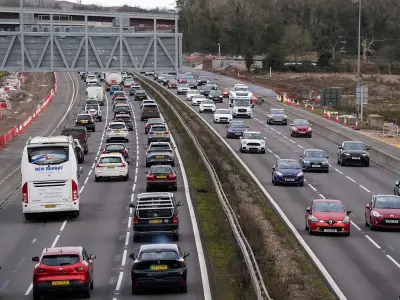
The AA has revealed alarming data showing a sharp increase in collisions following the autumn clock change. Since 2022, there has been an 11% increase in crashes during the evening rush hour in the three weeks after the clocks go back, compared to the three weeks before. This period corresponds directly with the first three weeks of November this year, highlighting a clear and present danger on the roads.
Expert Advice for Safer Autumn Driving
Tim Rankin, managing director for AA Accident Assist, commented on the trend, stating: "Darker evenings seem to be catching some drivers out after the clocks go back, which has led to more collisions on the roads." He emphasised that many of these incidents are preventable with better preparation and adjusted driving habits.

Rankin's top recommendation is a simple but effective change to driving style. He suggests doubling the gap advice in the Highway Code, leaving a four-second gap between your car and the vehicle in front. "Most incidents involve a car running into the back of another," he explained, "so allowing more time to stop could be the difference between a near-miss and an expensive claim."
For combating the specific issue of sun glare, the advice is straightforward. During the day, the low-lying sun can blind drivers, a problem magnified after rain when the glare bounces powerfully off a wet road surface. Keeping a pair of sunglasses close by is a simple measure that can dramatically improve a driver's view of the road ahead.
Adjusting to the Seasonal Change
Dave Thompson, claims director at Tesco Insurance, added his voice to the warnings. He noted that the sudden shift in light levels is an "annual shock to the system" for many commuters. "We are moving from months of daylight commutes to suddenly driving home in pitch darkness," Thompson said, "all while battling the glare of oncoming headlights and increasingly inclement weather."
This lack of familiarity with night-time driving, combined with the inherent stress of the evening rush hour, creates a perfect storm that results in more collisions than typically seen at that time of day during other parts of the year. Proactive measures, like keeping sunglasses handy and increasing following distance, are essential for navigating this hazardous period safely.