North Yorkshire Council Makes Motorhome Ban Permanent in Coastal Tourism Crackdown
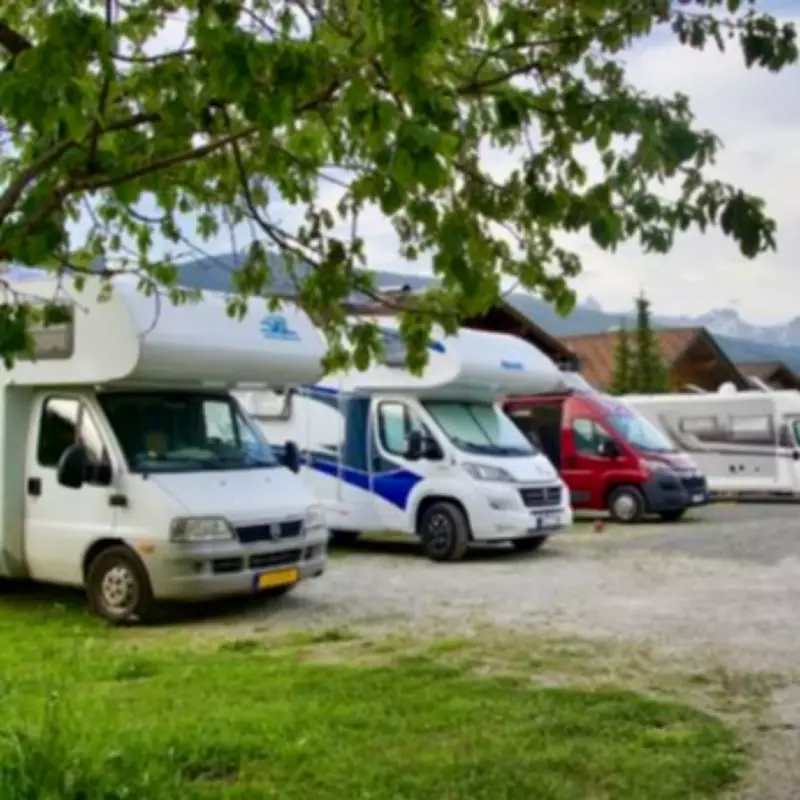
North Yorkshire Council has declared that a trial ban on motorhomes and campervans will become permanent, as part of a broader tourism crackdown in the region's coastal hotspots. The permanent prohibition is scheduled to take effect from May, with officials stating that the "aims of the trial have been reached" after careful evaluation.
Targeted Locations and Rationale for the Ban
The ban specifically applies to the A174 near Sandsend and a third location at Cayton Bay, areas that have seen significant issues related to overnight parking and visitor behaviour. Malcolm Taylor, the executive member for highways and transport, emphasised the importance of balancing tourism with community welfare in a recent statement.
"The tourist economy in Scarborough and Whitby is vital to prosperity in the area, but we must try to strike the right balance between all road users," Taylor explained. He further highlighted that complaints from residents and police have included reports of anti-social activities such as campfires, barbecues, littering, and defecation on grassy areas.

Community Feedback and Displacement Concerns
Following the trial, the council conducted a public consultation that garnered 3,000 responses. The results revealed a stark divide: two-thirds of respondents were motorhome owners, with the majority opposing the ban, while 60% of residents expressed support or strong support for the measures.
However, the council has acknowledged that while the ban successfully cleared specific hotspots, it inadvertently displaced some vehicles into nearby residential streets. This has prompted officials to consider expanding the restrictions to other areas in Scarborough, based on ongoing community feedback and observed patterns.
Economic Impacts and Alternative Solutions
The decision comes amid a notable increase in motorhome tourism to Scarborough, which has sparked concerns among local businesses. Caravan and camping site owners in the region have argued that unregulated free overnight street parking negatively impacts their livelihoods, as it diverts potential customers away from official facilities.
In response, local committee members have suggested that the council explore providing more dedicated, official facilities for motorhomes. This proposal aims to ensure that visitors still have accessible places to stay without adversely affecting residential areas or local enterprises. The council believes there is "enough alternative provision" available, but further developments may be necessary to accommodate the growing demand.
The move reflects a broader effort to manage tourism sustainably in North Yorkshire, addressing both the economic benefits and the social challenges posed by increased visitor numbers. As the permanent ban approaches implementation, stakeholders continue to monitor its effects on the local community and tourism sector.