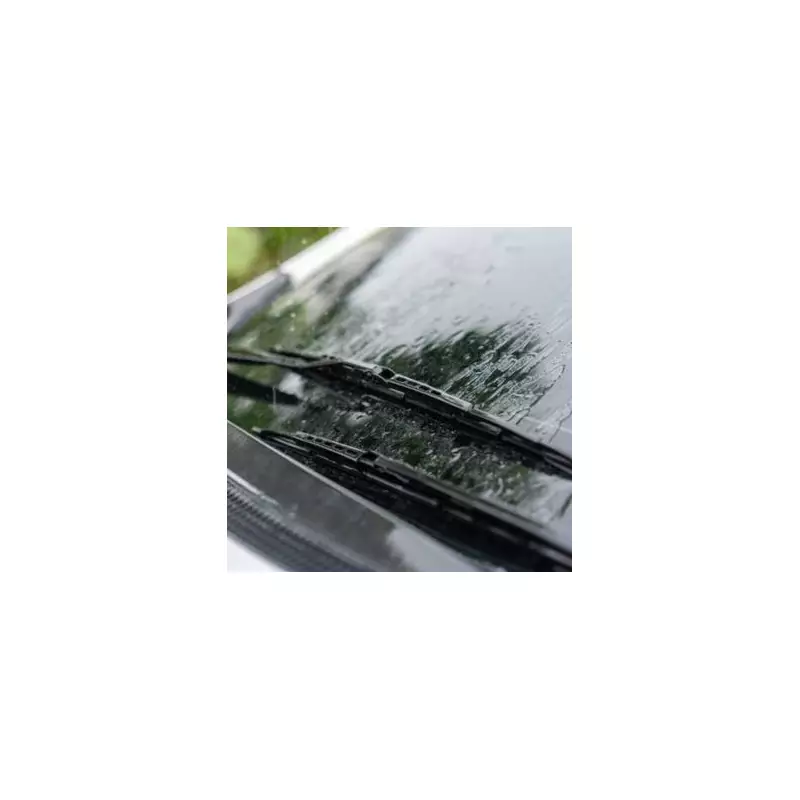
Motorists across the UK are being issued a stark warning this December: driving with a fogged-up windscreen could land you with a hefty £1,000 fine and three penalty points on your licence. The reminder comes as colder temperatures increase the risk of dangerous condensation on vehicle windows.
The 'Particularly Dangerous' Highway Code Rule
Authorities are stressing the importance of Rule 229 of the Highway Code, which mandates that drivers must maintain a full, clear view of the road at all times. This specifically requires windscreens and windows to be kept clean and free from any obstructions to vision.
The legal basis is firmly established in the Road Vehicles (Construction and Use) Regulations 1986. This legislation states that every vehicle must be designed and maintained so the driver "can at all times have a full view of the road and traffic ahead." Any glass or transparent material must not obscure the driver's vision.

Why Winter Poses a Greater Risk
During the autumn and winter months, particularly on cold mornings, condensation quickly forms on car windows. John Wilmot, CEO and founder of LeaseLoco.com, highlighted the common rush that leads to this hazard. "We're often in a rush in the mornings and many of us just want to get on the road as quickly as possible," he said.
He emphasised the severe danger of driving off before the fog clears: "It prevents you from being able to have a full, clear view of the road ahead, which can be particularly dangerous on dark mornings." Failure to properly demist windows is considered a form of dangerous driving, leading to the significant financial and legal penalties.
How to Clear Your Windscreen Quickly and Safely
For drivers in a hurry, Mr Wilmot offered practical advice to clear condensation effectively and legally before setting off. "The quickest way to clear fog is by putting on the AC and opening a window," he advised.
This method serves a dual purpose: the air conditioning helps to dehumidify the air inside the car, while opening a window allows the moist air to escape and lets in fresh, cooler air. "This creates a barrier on the glass and prevents condensation from building up," Mr Wilmot concluded.
The overarching message from motoring experts and officials is clear: no journey is so urgent that it justifies risking a £1,000 fine, penalty points, or a serious accident. Drivers must take the time to ensure every window is fully clear before beginning their travel this winter.