Drivers Risk £1,000 Fines for Ignoring Vital Car Dashboard Warning Lights
Motorists across the UK are being warned that ignoring a crucial dashboard warning light could lead to a staggering £1,000 fine. Ian Wilson, managing director and car insurance expert at Tiger.co.uk, is urging drivers to understand what emissions warnings mean to avoid severe penalties.
Understanding Emissions Warnings and Legal Standards
Ian Wilson explained the critical importance of heeding these alerts. "Many drivers don’t realise that vehicles emitting more harmful pollutants than permitted can result in MOT failures and substantial fines," he stated. "Components such as diesel particulate filters and catalytic converters are designed to reduce harmful emissions released into the atmosphere. If these parts malfunction or are tampered with, the vehicle may no longer comply with legal emissions standards."
Expanding Scope of Emissions Testing
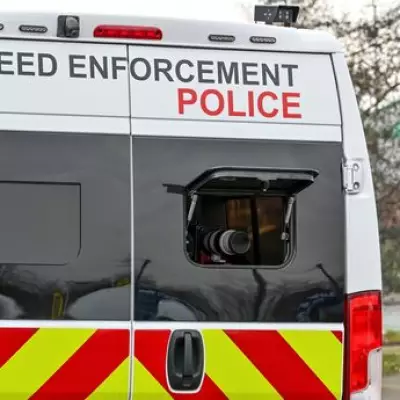
Traditionally, emissions tests were primarily conducted during MOT inspections. However, the landscape is changing rapidly. Some boroughs and local constituencies have been designated as Air Quality Management Areas. In these zones, councils possess the authority to test vehicle emissions at the roadside. Drivers whose vehicles fail these impromptu tests can be issued fixed penalties on the spot.

It is essential to note that certain older vehicles are exempt from standard meter-based emissions tests. Petrol vehicles used before August 1975 and diesel vehicles used before January 1980 are assessed visually, with inspectors examining what comes out of the exhaust.
Recognising Signs of Excessive Emissions
Staying vigilant with your vehicle's emissions is more critical than ever. Ian Wilson highlighted that the indicators of excessive harmful pollutants are not always immediately obvious. "We urge drivers to pay close attention to unusual symptoms," he advised. "Watch for unusual rattling sounds, strong fuel odours, and warning lights related to the diesel particulate filter or engine management system on the dashboard."
Taking prompt action upon noticing these signs offers multiple benefits. Early intervention helps maintain the vehicle's roadworthiness, avoids potential fines, reduces harmful air pollution, and ensures that your car insurance policy remains valid.
Post-MOT Failure Considerations
If your vehicle fails an MOT due to emissions issues, the next step requires careful consideration. Evaluate whether repairing the car is financially worthwhile. If the estimated repair costs exceed the vehicle's perceived value, it may be more prudent to consider scrapping or salvaging the car instead of investing in costly fixes.
This proactive approach not only safeguards your finances but also contributes to broader environmental efforts by keeping excessively polluting vehicles off the roads.